
Why Your Car Hesitates During Acceleration: 2026 Guide
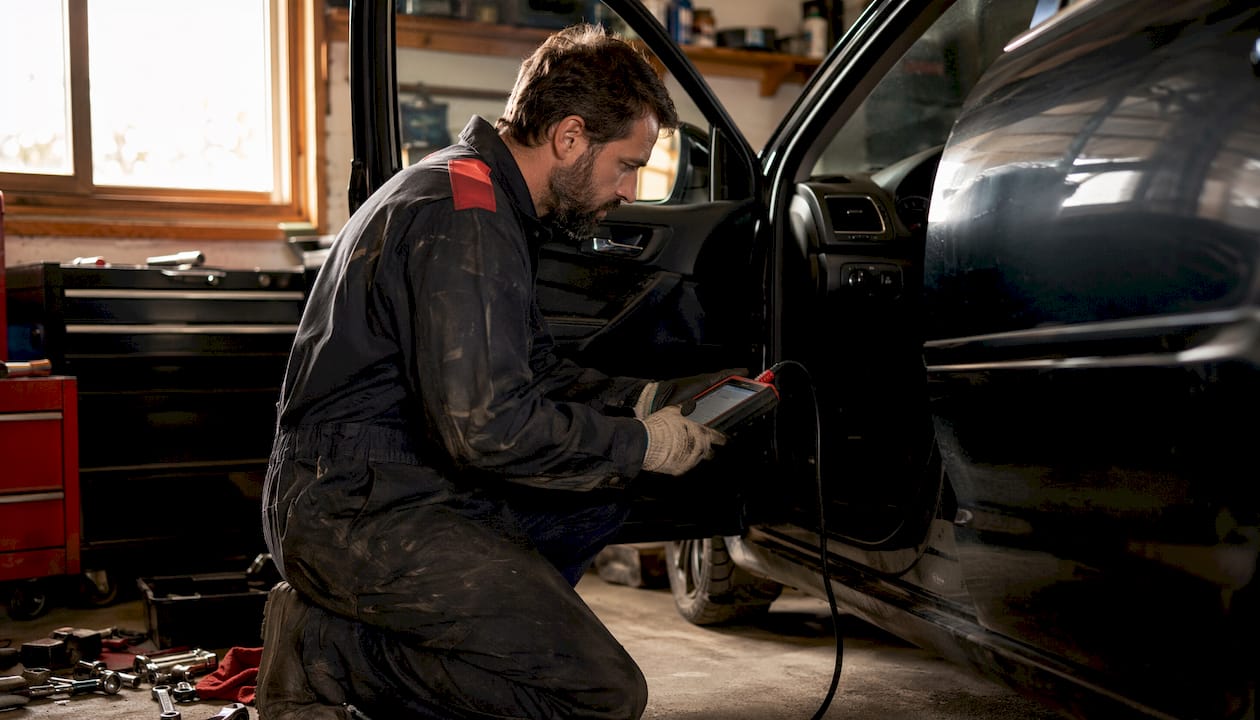
Car hesitation during acceleration is defined as a loss or delay in power delivery when you press the gas pedal, caused by a failure in the fuel, ignition, air intake, or transmission system. The stumble, lag, or surge you feel is your engine telling you that one of these systems cannot meet the sudden demand for power. Understanding why car hesitates acceleration issues happen is the first step toward fixing them without wasting money on the wrong parts. Most cases trace back to seven primary causes, and the majority resolve for under $400 with basic maintenance.
What are the most common mechanical causes of acceleration hesitation?
Acceleration hesitation has a clear set of root causes, and most of them are mechanical or sensor related. Knowing which system is failing saves you from replacing parts that are not broken.
Fuel delivery problems are the most frequent culprit. A clogged fuel filter restricts flow to the injectors, while a failing fuel pump may hold idle pressure but collapse under load. That distinction matters because a standard pressure test can miss a pump that fails only when the engine demands full volume.
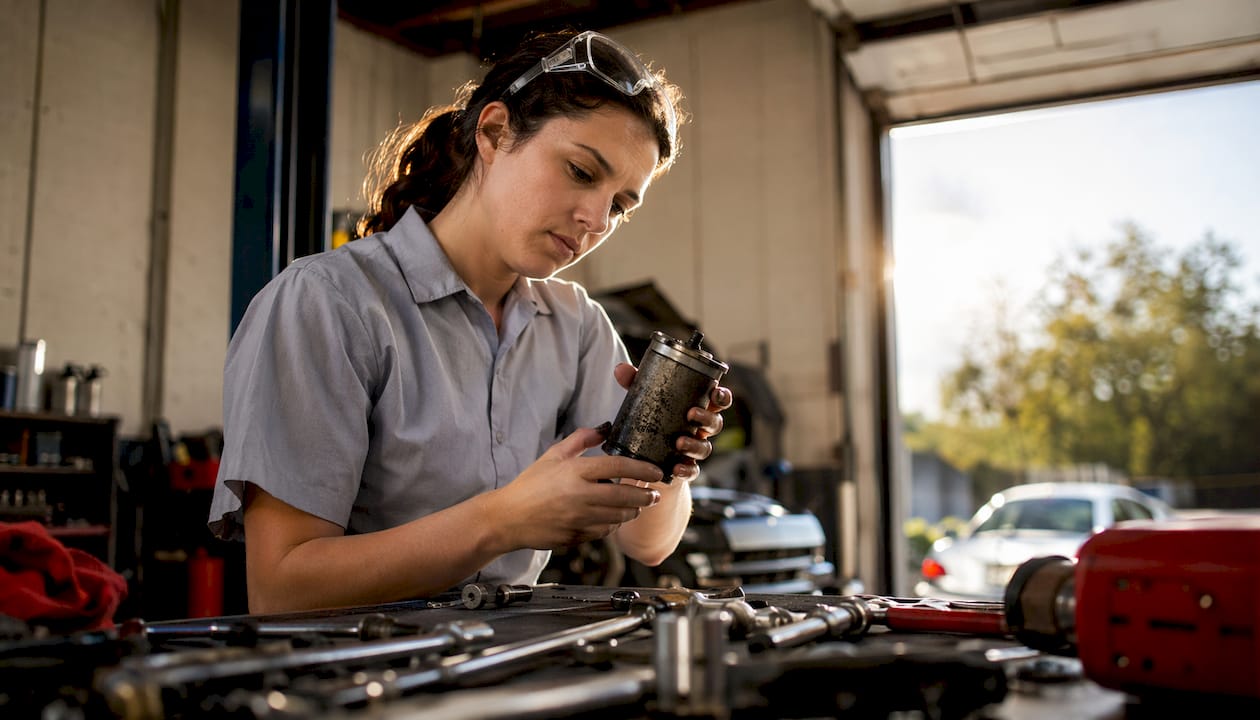
Ignition and air intake faults are the second most common group. Worn spark plugs cause misfires that feel like a stumble at the moment of acceleration. A dirty MAF (mass airflow) sensor sends incorrect air volume data to the engine control unit, causing the fuel mixture to go wrong. A dirty throttle body restricts airflow physically, and vacuum leaks allow unmetered air into the intake, creating a lean mixture that hesitates under load. Vacuum leaks often announce themselves with a hissing sound and a rough idle.
Drivetrain and exhaust faults round out the list. A restricted catalytic converter chokes exhaust flow and kills power under acceleration. Transmission slip, covered in more detail below, produces a very different symptom pattern than engine hesitation.
| Cause | Key symptom | Estimated repair cost |
|---|---|---|
| Clogged fuel filter | Hesitation under hard acceleration | $15–$50 |
| Failing MAF sensor | Rough idle, poor fuel economy | $30–$120 |
| Dirty throttle body | Stumble at light throttle | $10–$20 |
| Worn spark plugs | Misfire, rough acceleration | $20–$100 |
| Vacuum leak | Hissing, lean idle, hesitation | $5–$40 |
| Restricted catalytic converter | Power loss at high RPM | $100–$2,500 |
| Slipping transmission | RPM rises, speed does not | $150–$3,500+ |
Pro Tip: Replace the fuel filter before testing the fuel pump. A clogged filter mimics a failing pump and costs a fraction of the price to fix.
How do RPM and vehicle speed help you diagnose the problem?
The single fastest way to narrow down car acceleration issues is to watch what the engine RPM does when you press the gas. This one observation splits every hesitation problem into two categories.
If RPMs rise but vehicle speed does not increase, the fault is in the drivetrain, not the engine. The engine is producing power, but the transmission is not transferring it to the wheels. This is called drivetrain slip, and it points to worn clutch packs, a failing torque converter, or low transmission fluid. Transmission slip in automatics often requires professional repair ranging from $300 to $3,500 or more depending on the damage. A deeper look at transmission slip causes can help you understand what you are dealing with before you visit a shop.
If RPMs struggle to rise and the engine stumbles or surges, the fault is in the fuel, air, or ignition system. The engine itself cannot produce the power being requested. This is the more common scenario, and it is the one most likely to respond to basic maintenance.
- RPM rises, speed lags: transmission or torque converter fault
- RPM stumbles or surges: fuel, ignition, or air intake fault
- RPM rises slowly with weak power: possible catalytic converter restriction or compression loss
- Hesitation only at cold start: fuel delivery or sensor issue that clears as the engine warms
Pro Tip: Pay attention to when hesitation happens. Cold start only, highway speeds only, or only under hard acceleration each point to different systems.
What diagnostic tools actually identify the cause?
A scan tool reading fuel trims is the most efficient first step in any hesitation diagnosis. Fuel trim data tells you whether the engine is running lean or rich, which immediately narrows the cause. Positive fuel trim values indicate a lean condition, pointing to vacuum leaks, a dirty MAF sensor, or a fuel delivery problem. Negative values indicate a rich condition, pointing to a faulty oxygen sensor or injector issue. Reading this data before replacing parts prevents expensive guesswork.
Professional diagnostic fees typically run $90–$150, which is money well spent before committing to a major repair. Tom’s B & M Auto offers a free check engine review that includes OBD-II scan analysis, which is a practical starting point for any hesitation complaint.
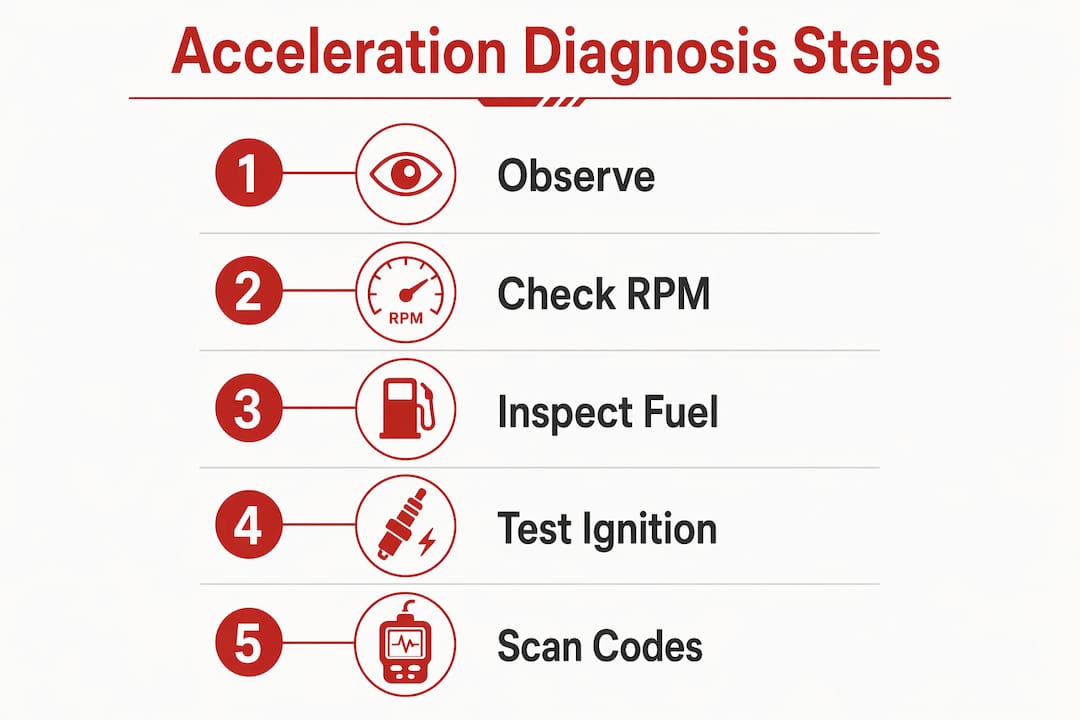
Here is a logical diagnostic sequence:
- Connect an OBD-II scan tool and read all stored fault codes. Note any misfire codes (P0300 series) or MAF codes (P0100 series).
- Check live fuel trim data. Short-term and long-term trims above +10% signal a lean condition worth investigating.
- Inspect throttle position sensor (TPS) voltage. It should rise smoothly and evenly as you open the throttle. A spike or dropout indicates a faulty sensor.
- Test fuel pressure under load, not just at idle. A pump that holds 45 PSI at idle may drop to 20 PSI under acceleration demand. Volume testing catches this failure where pressure testing alone does not.
- Perform a visual inspection for cracked vacuum hoses, a dirty throttle body, and fouled spark plugs.
A full overview of car diagnostic test types explains what each test measures and when to use it.
Pro Tip: Spray carburetor cleaner around intake manifold gaskets and vacuum lines while the engine idles. A change in RPM pinpoints a vacuum leak without any special equipment.
What maintenance steps fix most hesitation problems?
Most hesitation cases resolve with inexpensive maintenance costing under $400, which means the right starting point is always the cheapest fix first. Working through this sequence before authorizing major repairs saves most car owners significant money.
- Replace the air filter. A clogged air filter starves the engine of oxygen and is a $15–$30 fix that takes ten minutes.
- Replace the fuel filter. On most vehicles this is a $15–$50 job. Do this before testing the fuel pump.
- Clean the throttle body. Throttle body cleaner and a shop rag remove carbon deposits that cause stumbling at light throttle. Cost is under $20.
- Clean or replace the MAF sensor. MAF sensor cleaner spray ($8–$12) often restores accurate airflow readings. Replace the sensor if cleaning does not resolve the fault code.
- Replace spark plugs. Worn plugs cause misfires and rough acceleration. Replace them around 30,000 miles or sooner if misfire codes appear. Iridium plugs cost more but last significantly longer than standard copper plugs.
- Inspect and seal vacuum leaks. Check all rubber hoses connected to the intake manifold. Cracked or loose hoses are a $5–$40 fix. A guide to engine compression testing explains how vacuum integrity affects overall engine performance.
- Check transmission fluid. Low or burnt fluid causes slip and hesitation. Check the level and condition before assuming internal transmission damage. Understanding transmission fluid’s role helps you catch early slip symptoms.
If these steps do not resolve the problem, the fault likely lies with the fuel pump, catalytic converter, or internal transmission components. Those repairs require professional equipment and should not be deferred, since continued driving with a slipping transmission accelerates internal damage.
Pro Tip: When replacing spark plugs, inspect the old plugs. Black sooty deposits indicate a rich mixture. White or chalky deposits indicate a lean condition. Both tell you where to look next.
Key Takeaways
Car hesitation during acceleration is almost always caused by a failure in fuel delivery, ignition, air intake, or transmission function, and most cases resolve with basic maintenance costing under $400.
| Point | Details |
|---|---|
| RPM behavior splits the diagnosis | Rising RPM without speed increase means transmission slip; stumbling RPM means engine fault. |
| Start with cheap fixes first | Air filter, fuel filter, spark plugs, and throttle body cleaning resolve most hesitation cases. |
| Fuel trim data beats guesswork | OBD-II scan tool fuel trim readings identify lean or rich conditions before any part is replaced. |
| Volume testing catches weak pumps | A fuel pump can pass a pressure test but still fail under load; always request volume testing. |
| Transmission slip needs prompt attention | Continued driving with a slipping transmission causes internal damage and raises repair costs significantly. |
What I’ve learned from years of misdiagnosed hesitation
The most expensive mistake I see car owners make is skipping the scan tool and going straight to parts. Someone replaces the fuel pump for $400, and the real problem turns out to be a $12 vacuum hose. That scenario plays out constantly, and it is entirely avoidable.
The second mistake is trusting a static fuel pressure test as the final word on fuel delivery. A pump that holds pressure at idle can still fail to deliver adequate volume when the engine demands full power under acceleration. I have seen shops clear a hesitation complaint as “no fault found” because the pressure test passed, only for the customer to return a week later with the same symptom. Always ask whether a volume test was performed.
My honest recommendation is to treat hesitation as a diagnostic problem, not a parts problem. Read the fuel trims first. If they are positive and lean, work through the air and fuel supply chain from cheapest to most expensive. If the RPM pattern points to drivetrain slip, check the transmission fluid before assuming internal damage. The car is telling you something specific. The scan tool translates it.
One more thing: do not let a hesitation complaint sit. A stumble that feels minor today can indicate a lean condition that causes engine damage over time, or a transmission slip that destroys clutch packs within a few thousand miles. Early diagnosis is always cheaper than delayed repair.
— Shingi
Tom’s B & M Auto can diagnose your hesitation fast
If your car is stuttering when accelerating and basic maintenance has not solved it, a professional OBD-II diagnostic review is the right next step.
Tom’s B & M Auto has served Lynnwood, Kenmore, Edmonds, and Mountlake Terrace drivers since 1985. ASE-certified technicians use professional-grade scan tools to read fuel trims, check sensor data, and pinpoint the exact cause of your hesitation before any repair is authorized. The shop covers engine repair in Kenmore and surrounding areas, with upfront pricing and a 24-month / 24,000-mile warranty on all work. Financing is also available for larger repairs. Same-day appointments are often open, so there is no reason to keep driving a car that is not performing the way it should.
FAQ
Why does my car hesitate when I press the gas?
Car hesitation when pressing the gas is caused by a failure in fuel delivery, ignition, air intake, or transmission function. The most common causes include clogged fuel filters, worn spark plugs, dirty MAF sensors, vacuum leaks, and slipping transmissions.
Can I fix car hesitation myself?
Many hesitation cases resolve with DIY maintenance including replacing air and fuel filters, cleaning the throttle body, and swapping worn spark plugs. Most of these fixes cost under $400 and require basic tools.
What does it mean when my RPM goes up but my car doesn’t accelerate?
Rising RPM without a corresponding increase in vehicle speed indicates drivetrain slip, most commonly caused by a slipping transmission, worn clutch packs, or a failing torque converter.
How does an OBD-II scan tool help with hesitation diagnosis?
An OBD-II scan tool reads fault codes and live fuel trim data, which immediately shows whether the engine is running lean or rich. Fuel trim readings narrow the cause to specific systems without replacing parts blindly.
When should I take my car to a shop for hesitation?
Take your car to a shop if basic maintenance does not resolve the hesitation, if RPM rises without speed increase, or if the check engine light is on. A professional diagnostic review typically costs $90–$150 and prevents far more expensive repairs later.
Recommended
- Common Honda Repair Needs: Your 2026 Owner’s Guide – Tom’s B & M Auto Blog
- Fix Engine Misfires Step by Step: A Car Owner’s Guide – Tom’s B & M Auto Blog
- Why Transmission Slips: Causes, Symptoms, and Fixes – Tom’s B & M Auto Blog
- Check Engine Light Meaning: What Drivers Need to Know – Tom’s B & M Auto Blog
Leave a Reply