
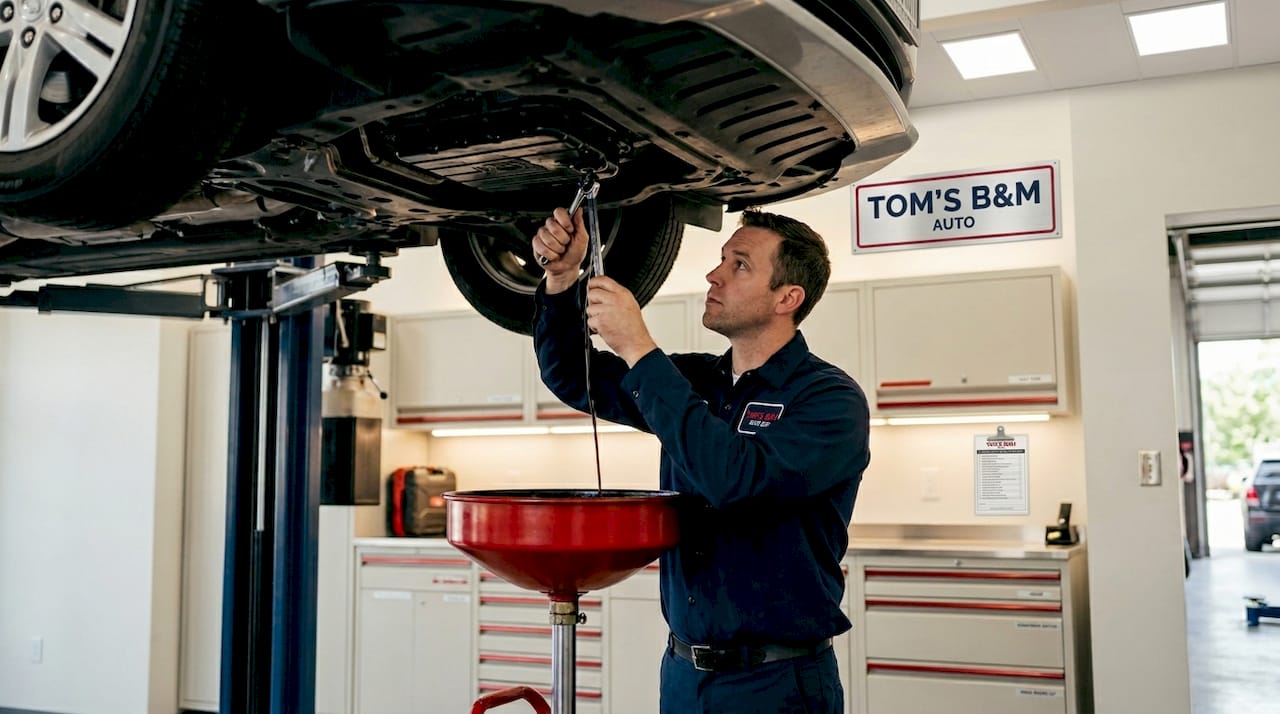
The Role of Transmission Fluid in Your Vehicle
Transmission fluid is the specialized liquid that lubricates, cools, and hydraulically powers your vehicle’s transmission system to enable smooth gear shifts and prevent costly internal damage. Most drivers check their oil religiously but treat transmission fluid as an afterthought. That’s a mistake that can turn a $150 fluid change into a $3,000 transmission rebuild. Understanding the role of transmission fluid, how it works, and when it needs attention is one of the most practical things a car owner can do to protect a major investment.
What is the role of transmission fluid in your car?
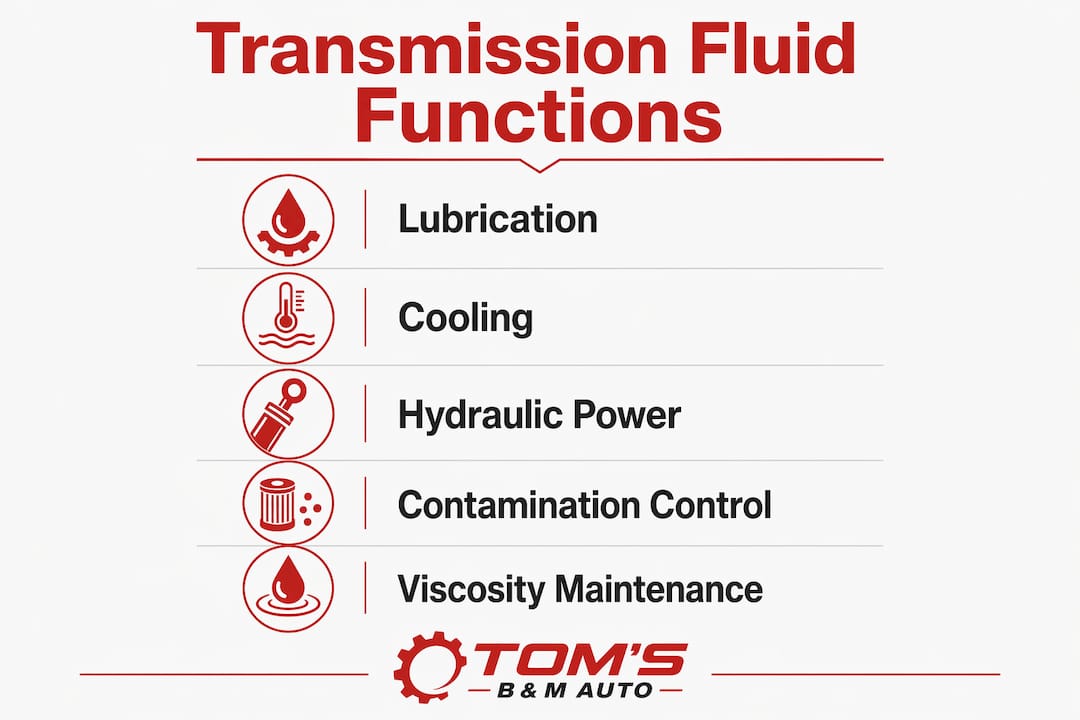
Transmission fluid, known in the industry as ATF (Automatic Transmission Fluid) for automatic vehicles, serves three distinct mechanical functions simultaneously. No other fluid in your vehicle multitasks at this level. Engine oil lubricates. Coolant cools. Transmission fluid lubricates, cools, and acts as a hydraulic medium, all at once.
The hydraulic function is the one most drivers never think about. In an automatic transmission, non-compressible fluid under pressure physically engages clutch packs and gear sets. When you shift from Park to Drive, pressurized fluid moves through the valve body to activate the correct clutch pack. Air in the system or low fluid pressure causes slipping because the clutch packs never fully engage. This is why a transmission with the right fluid level but degraded fluid still shifts poorly.
The lubrication function protects the dozens of metal surfaces inside the transmission from grinding against each other. Metal shavings in fluid signal serious internal wear, not routine aging. Consumer Reports notes this distinction matters because it changes the repair decision entirely.
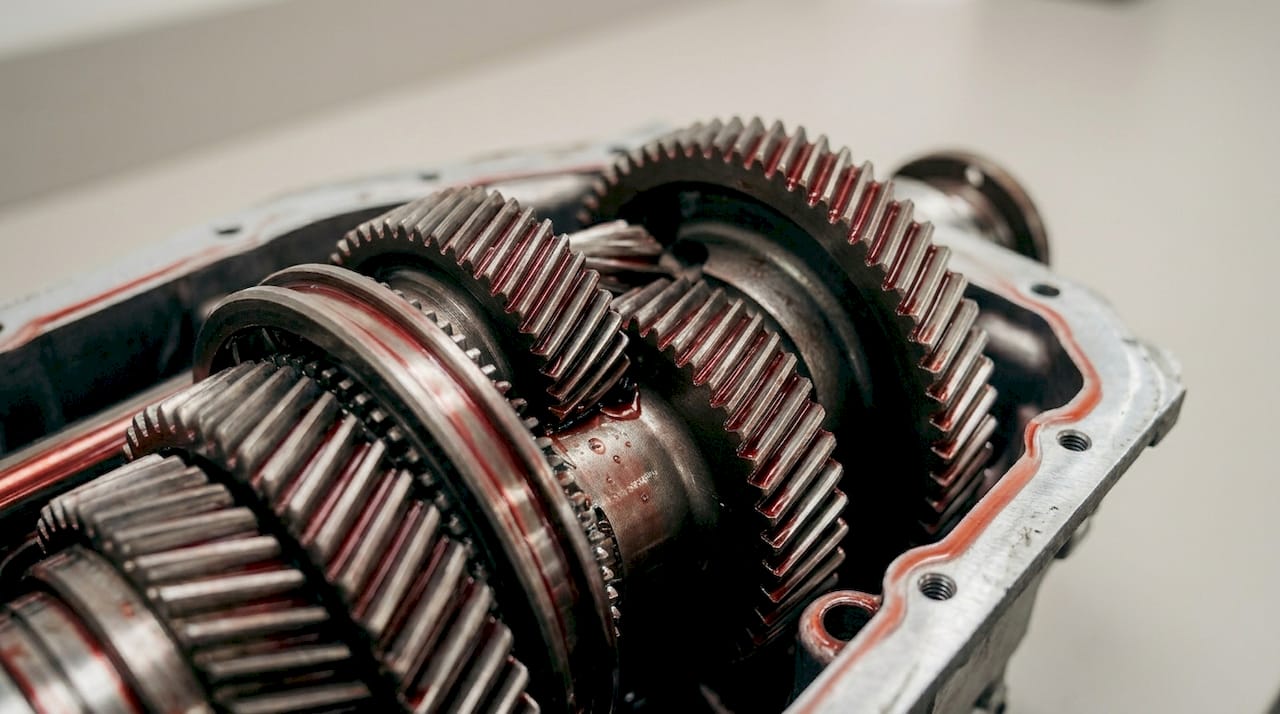
The cooling function dissipates heat generated by friction and the torque converter. In automatic transmissions, the torque converter alone generates significant heat during normal operation. Without fluid pulling that heat away, internal temperatures spike fast.
Primary functions of transmission fluid at a glance:
- Lubricates gears, bearings, and clutch packs to reduce metal-on-metal wear
- Provides hydraulic pressure to engage gear sets and clutch packs in automatic transmissions
- Dissipates heat from the torque converter and friction surfaces
- Conditions seals and gaskets to prevent leaks
- Suspends and carries away metal particles and contaminants to the filter
Manual transmissions use a different fluid, often a gear oil or in some cases engine oil, but the lubrication and cooling roles still apply. The hydraulic function is unique to automatics and CVTs (Continuously Variable Transmissions).
Pro Tip: Check your owner’s manual before buying any transmission fluid. Toyota Prius models, Honda CVTs, and many European vehicles specify proprietary fluids. Using a generic ATF in these systems causes faster degradation and can void warranty coverage.
How does fluid condition affect transmission performance?
Degraded transmission fluid loses viscosity, which means it can no longer maintain the hydraulic pressure needed for clean gear engagement. The result is gear slipping, delayed shifts, or rough transitions between gears. These symptoms often appear gradually, which is exactly why drivers ignore them until the damage is done.
Summer heat pushes fluid beyond safe operating temperatures, causing viscosity loss and reduced lubrication. Mechanics regularly find burnt-smelling fluid after long hot drives or towing sessions. The smell is oxidized fluid that has lost its additive chemistry. Once fluid burns, it cannot recover its protective properties no matter how much you top it off.
Contamination is a separate problem from degradation. Fluid condition requires more than a dipstick check because small metal particles or sludge may be present even when the level reads normal. A dipstick tells you quantity. It tells you nothing about quality.
Using the wrong fluid type compounds both problems. Wrong fluid type degrades performance and transmission lifespan quickly because the additive packages differ between fluid specifications. A fluid rated for a 2010 Ford F-150 has different friction modifiers than one specified for a 2022 Subaru CVT. Swapping them causes the clutch packs to engage incorrectly.
Warning signs of compromised transmission fluid:
- Dark brown or black color instead of bright red or pink
- Burnt smell when checking the dipstick
- Visible metal particles or gritty texture on the dipstick
- Delayed engagement when shifting from Park to Drive
- Gear slipping or rough shifts during acceleration
Overheating transmission fluid creates a feedback loop. Heat degrades the fluid, degraded fluid generates more heat, and the cycle accelerates wear until the transmission fails. Proactive fluid checks and avoiding severe load conditions are the only way to break that cycle before it becomes expensive.
Pro Tip: If your fluid smells burnt after a long summer drive or a towing trip, don’t wait for the next scheduled service. Get it inspected immediately. Burnt fluid is a warning, not a maintenance reminder.
What maintenance practices keep your transmission fluid performing well?
The single most effective transmission fluid maintenance tip is following your manufacturer’s recommended service interval, not the generic “every 30,000 miles” advice you’ll find on generic service boards. Toyota, Honda, Subaru, and GM each publish specific intervals based on their transmission design, fluid chemistry, and expected operating conditions.
The choice between a drain-and-refill and a power flush matters more than most drivers realize. Power-flushing high-mileage transmissions can dislodge accumulated sludge that then clogs valve body passages, potentially causing more problems than the old fluid did. Consumer Reports recommends verifying the service type with the vehicle manufacturer before authorizing any flush on a high-mileage vehicle.
CVTs deserve special attention. CVT fluid changes every 30,000 to 60,000 miles are recommended by experts despite widespread “lifetime fluid” marketing claims. CVTs generate heat and metal particle buildup that degrades fluid faster than a conventional automatic. The “lifetime” label refers to the fluid lasting the life of the warranty, not the life of the vehicle.
Fluid service method comparison:
| Method | Best for | Risk level | Notes |
|---|---|---|---|
| Drain and refill | Most vehicles, routine service | Low | Replaces 40 to 60% of total fluid volume |
| Power flush | Lower-mileage, clean transmissions | Medium | Replaces nearly all fluid but risks dislodging sludge |
| Pan drop and filter change | Vehicles with accessible pans | Low | Allows inspection of pan for metal debris |
| CVT fluid exchange | CVT-equipped vehicles | Low to medium | Follow manufacturer interval strictly |
Inspecting fluid yourself between services takes less than five minutes. Pull the dipstick (if your vehicle has one), wipe it on a white cloth, and check color and smell. Bright red or pink with no smell is healthy. Dark brown or a burnt odor means it’s time for service. Some modern vehicles, including many BMW and Mercedes-Benz models, have sealed transmissions with no dipstick, which makes professional inspection the only option.
Pro Tip: For CVT-equipped vehicles like the Nissan Rogue, Honda CR-V, or Subaru Forester, treat “severe use” intervals as your baseline. Frequent stop-and-go traffic, towing, or driving in Lynnwood’s hilly terrain all qualify as severe use conditions.
Common misconceptions about transmission fluid
The most damaging myth in transmission maintenance is that “lifetime fluid” means you never need to change it. Lifetime fluid claims for CVTs conflict directly with the thermal and wear stresses these transmissions experience. The term was a marketing decision, not an engineering one.
A second misconception is that fluid color alone confirms quality. Dark fluid is clearly a problem, but fluid that looks acceptable can still carry metal particles and contaminants that a dipstick check will never reveal. Proper fluid condition assessment requires pan inspection or fluid testing during a service visit.
High-mileage vehicles need careful handling during fluid service. Many owners assume that fresher fluid is always better, but in a transmission that has been running on degraded fluid for years, a sudden aggressive flush can cause gearbox service needs to escalate quickly. The sludge acting as an unintended seal gets removed, and leaks or valve body clogs appear within days.
Manual transmission fluid is another overlooked area. Many drivers assume all transmissions use ATF, but some manual gearboxes in vehicles like older Toyota trucks or certain Honda models specify engine oil or a dedicated gear oil. Using ATF in these applications causes incorrect friction characteristics and accelerates synchronizer wear.
Finally, the hydraulic function of transmission fluid in automatics is almost universally underestimated. Most drivers think of fluid as a lubricant. The reality is that without correct fluid pressure, an automatic transmission physically cannot shift gears. Low fluid or air in the system is not a lubrication problem. It’s a mechanical failure waiting to happen.
Key takeaways
Transmission fluid performs three simultaneous jobs: lubrication, cooling, and hydraulic power. Neglecting any one of them leads to transmission failure.
| Point | Details |
|---|---|
| Three simultaneous functions | Transmission fluid lubricates, cools, and provides hydraulic pressure for gear engagement. |
| Fluid condition beats fluid level | A dipstick check confirms quantity, not quality. Pan inspection or fluid testing detects metal particles and sludge. |
| “Lifetime fluid” is misleading | CVT and sealed transmission fluids degrade from heat and wear. Change CVT fluid every 30,000 to 60,000 miles. |
| Wrong fluid causes fast damage | Using a fluid with incorrect friction modifiers degrades clutch packs and shifts within thousands of miles. |
| Power flushing carries risk | Aggressive flushing on high-mileage transmissions can dislodge sludge and clog valve body passages. |
Why transmission fluid is the most underrated fluid in your car
I’ve seen more transmissions fail from fluid neglect than from any mechanical defect. The pattern is always the same. A driver ignores a subtle shift hesitation for six months, then one day the transmission slips badly enough to notice, and by that point the clutch packs are worn and the repair bill is several times what a fluid service would have cost.
What strikes me most is how the hydraulic function never gets explained to car owners. People understand oil keeps metal from grinding. They understand coolant keeps the engine from overheating. But the idea that a fluid is also the mechanical force that physically moves your transmission into gear? That’s a concept most service advisors never take the time to explain. Once you understand it, you treat low fluid or degraded fluid with the urgency it deserves.
The “lifetime fluid” myth is the one I find most frustrating. It was never an engineering promise. It was a selling point for new vehicles. A Nissan CVT running stop-and-go traffic in Lynnwood, WA every day is not operating under the conditions that label was based on. Change the fluid. The cost is trivial compared to a CVT replacement.
My honest recommendation: get a professional fluid inspection every time you have your oil changed. Not a flush, not necessarily a change. Just an inspection. Catching dark fluid or metal particles early is the difference between a $150 service and a $2,500 repair.
— Shingi
Protect your transmission with expert service at Tom’s B & M Auto
Tom’s B & M Auto has served Lynnwood, WA drivers since 1985 with full-service transmission maintenance for all makes and models, including Toyota, Honda, Subaru, and European vehicles. ASE-certified technicians perform fluid inspections, drain-and-refill services, and CVT fluid exchanges with upfront pricing and a 24-month / 24,000-mile warranty on all work.
Whether you drive in Lynnwood, Shoreline, Mountlake Terrace, or Kenmore, Tom’s B & M Auto offers same-day appointments for transmission fluid service and full diagnostics. If you’re due for an inspection or you’ve noticed any shift hesitation, the team at Tom’s B & M Auto also handles engine repair in Kenmore and surrounding areas with the same standard of care. Don’t wait for a symptom to become a failure.
FAQ
What does transmission fluid actually do?
Transmission fluid lubricates internal metal components, dissipates heat from the torque converter and friction surfaces, and provides the hydraulic pressure that physically engages clutch packs and gear sets in automatic transmissions. Without correct fluid pressure, an automatic transmission cannot shift gears.
How often should transmission fluid be changed?
Service intervals vary by vehicle and transmission type. CVT fluid should be changed every 30,000 to 60,000 miles despite “lifetime fluid” claims, while conventional automatics often follow 30,000 to 60,000 mile intervals depending on the manufacturer. Always verify the interval in your owner’s manual rather than relying on generic advice.
Can I tell if my transmission fluid is bad just by looking at it?
Color gives a rough indication, but fluid that looks acceptable can still carry metal particles or sludge that a visual check will miss. A proper assessment requires pan inspection or fluid testing during a professional service visit, not just a dipstick color check.
Is it safe to flush a high-mileage transmission?
Power-flushing a high-mileage transmission carries real risk. Aggressive flushing can dislodge accumulated sludge that then clogs valve body passages, potentially causing new problems. Consumer Reports recommends confirming the appropriate service method with your vehicle manufacturer before authorizing a flush on any high-mileage vehicle.
Does my manual transmission use the same fluid as an automatic?
No. Many manual transmissions use a dedicated gear oil or even engine oil rather than ATF. Using the wrong fluid type causes incorrect friction characteristics and accelerates wear on synchronizers and gears. Check your owner’s manual or ask a qualified technician for the correct specification.
Recommended
- Transmission Service in Kenmore, WA | Tom’s B&M Auto
- Transmission Service in Mountlake Terrace, WA | Tom’s B&M Auto
- Transmission Service in Lynnwood, WA | Tom’s B&M Auto
- Transmission Service in Edmonds, WA | Tom’s B&M Auto
Leave a Reply