A seasonal car maintenance checklist is a structured set of vehicle inspections and tasks organized by spring, summer, fall, and winter to keep your car safe and reliable all year. Core checks every season cover tires, fluids, brakes, and battery, with additional weather-specific tasks layered on top. AAA responded to over 30 million roadside events in 2025, the majority caused by battery failures and flat tires. That number tells you exactly what happens when seasonal upkeep gets skipped. This guide gives you the full picture, season by season.
1. Your seasonal car maintenance checklist starts here: spring
Spring is the most consequential season for vehicle recovery. Your car just survived months of cold starts, road salt, and wet conditions. The goal now is to assess the damage and reset for warmer driving.
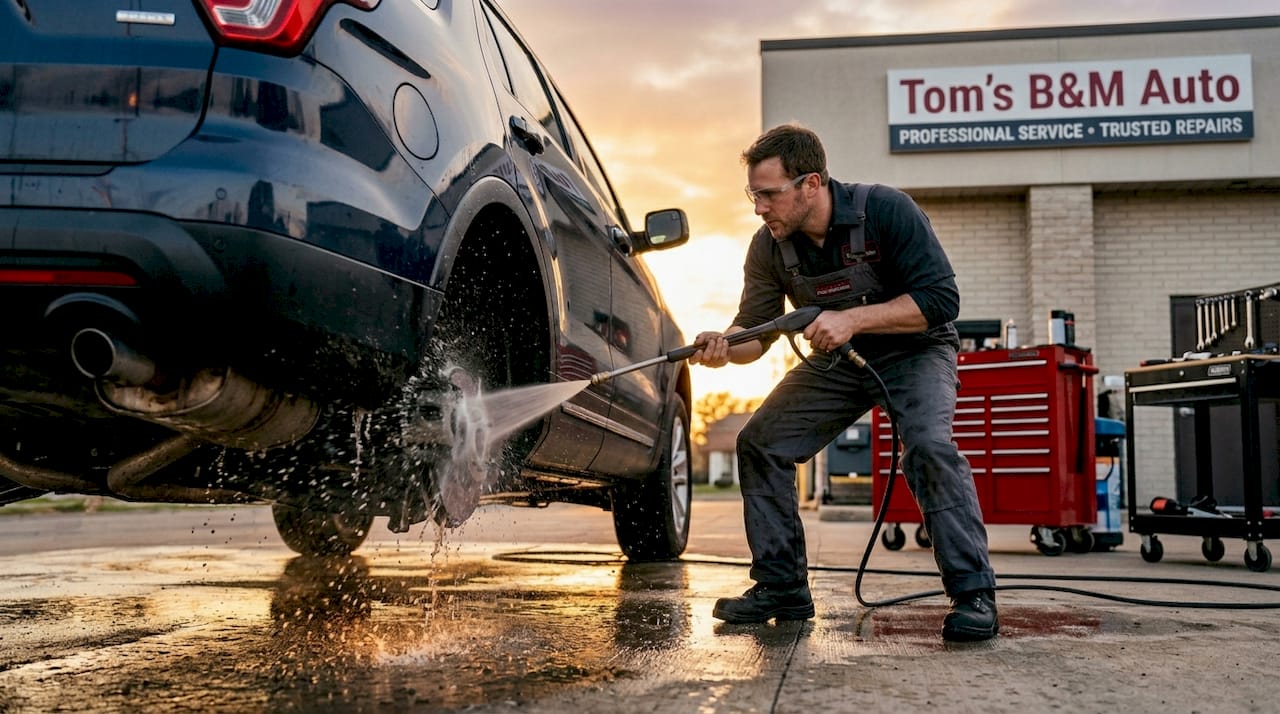
Undercarriage wash. Road salt accelerates rust on brake lines, exhaust components, and frame rails. A thorough undercarriage wash at a pressure-wash bay removes salt deposits before they cause permanent corrosion. This single step extends the life of components that are expensive to replace.
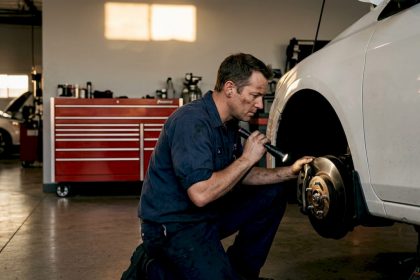
Brake inspection. Winter moisture and grime degrade brake pads and rotors faster than dry-season driving. Brake pad replacement runs $100 to $300 per axle, and catching wear early prevents rotor damage that doubles the repair cost. A free visual brake inspection takes less than 30 minutes and gives you a clear picture of where your brakes stand.
Oil and filter change. If you used a heavier viscosity oil for winter cold starts, spring is the time to switch back to your manufacturer’s recommended grade. Fresh oil also removes contaminants that accumulate during short winter trips, when engines rarely reach full operating temperature.
Wiper blades and washer fluid. Winter wiper blades are stiffer and often leave streaks once temperatures rise. Replace them with standard all-season blades and refill your washer fluid reservoir with a non-freezing formula rated for your climate.
Tire inspection. Mopar’s spring checklist specifically calls out tires, belts, brakes, fluids, battery, shocks, wipers, and lights as the full road-readiness sweep. Check tire sidewalls for cracking caused by cold-season brittleness, and measure tread depth with a quarter. If Washington’s head disappears into the tread, you have less than 4/32 inch remaining and replacement is overdue.
Pro Tip: Log every spring maintenance task in a notes app or a physical binder. A dated record of oil changes, brake inspections, and tire rotations protects your warranty and adds real dollar value at resale.
2. Summer vehicle maintenance checks that prevent heat-related failures
Heat is harder on vehicles than most drivers realize. Engine components, tires, and batteries all operate under greater stress when ambient temperatures climb above 90°F.
Coolant system inspection. Overheating is the leading cause of summer breakdowns. Check coolant level and color. Green or orange coolant that looks brown or has visible particles needs flushing. Inspect radiator hoses and clamps for cracks, soft spots, or bulging, since heat stress causes rubber to degrade faster than cold ever does.
Air conditioning system. Test your A/C before the first hot stretch of the season, not during it. A system that blows warm air likely has a refrigerant leak or a failing compressor. Running the A/C for five minutes before a long trip reveals pressure issues before you are stuck in traffic with no cooling.
Tire pressure adjustment. For every 10°F increase in ambient temperature, tire pressure rises approximately 1 PSI. Overinflated tires reduce contact patch size and increase blowout risk on hot pavement. Check pressure cold, before driving, and adjust to the placard value on your driver’s door jamb, not the maximum printed on the tire sidewall.
Battery health check. Heat degrades battery electrolyte faster than cold does. A battery that starts fine in spring may fail by August. Have it load-tested at any auto parts store or shop. Clean terminal corrosion with a baking soda and water solution if you see white or blue buildup.
Belt inspection. Serpentine and accessory belts show glazing, cracking, or fraying under heat stress. A snapped serpentine belt disables power steering, the alternator, and the water pump simultaneously. Replace any belt showing surface cracks or shiny glazed edges before summer driving begins.
Pro Tip: Run your A/C on its coldest setting for two minutes before every long summer trip. Weak airflow or unusual odors at startup are early signs of refrigerant loss or mold in the evaporator, both of which are far cheaper to fix before they worsen.
3. How to prepare your car for fall and colder, wetter conditions
Fall is the transition window. You have roughly six to eight weeks between the first cold nights and the first serious freeze to get your vehicle ready. Use that window deliberately.
Heater and defroster check. A heater that blows lukewarm air often signals a failing thermostat or low coolant. Test your rear defroster by running it for 60 seconds and checking whether the grid lines clear frost evenly. A broken defroster grid is a safety issue, not a comfort issue, in wet Pacific Northwest conditions.
Battery capacity test. Seasonal timing aligns with battery behavior in temperature extremes. A battery that tests at 60% capacity in October will likely fail to start your car in January. Fall is the last practical window to replace a marginal battery before cold weather eliminates its reserve capacity entirely.
Wiper blade upgrade. Switch to winter-rated wiper blades designed to handle snow and ice without the rubber tearing. Standard blades ice up at the pivot points and leave large uncleared arcs across your windshield. In Lynnwood, where rain turns to sleet without much warning, this swap matters.
Tire rotation and alignment. Rotating tires in fall distributes wear evenly before wet and icy roads demand maximum traction. Misaligned tires pull under braking, which is dangerous on slick pavement. If your steering wheel is off-center or the car drifts, get alignment checked before the first frost.
Exterior lighting check. Days shorten dramatically in fall. Walk around your vehicle and test every bulb: headlights, brake lights, turn signals, and reverse lights. A burned-out brake light in wet conditions is a rear-end collision waiting to happen.
Pro Tip: Schedule tire rotation in September rather than waiting until November. Early rotation prevents the uneven wear patterns that reduce traction precisely when you need it most on slippery fall roads.
4. What essential winter car maintenance steps ensure safety in extreme conditions
Winter demands the most from your vehicle and the most from your preparation. Mechanical reliability and emergency readiness are two separate categories, and both require attention before the season starts.
Winter or all-season tires. All-season tires perform adequately above 45°F. Below that threshold, the rubber compound hardens and grip drops measurably. Dedicated winter tires use a softer compound and siped tread blocks that stay pliable in freezing temperatures. If you drive in snow regularly, winter tires are not optional equipment.
Oil viscosity selection. Thicker oil flows slowly in cold temperatures, which means your engine runs dry for a fraction of a second on every cold start. Check your owner’s manual for the cold-weather viscosity recommendation. Many modern engines specify 0W-20 or 5W-30 for year-round use, but older vehicles may benefit from a lighter winter grade.
Antifreeze concentration check. A 50/50 mix of coolant and distilled water protects to approximately minus 34°F. Use an inexpensive antifreeze tester from any auto parts store to verify your concentration. Pure water in a cooling system freezes, expands, and cracks the engine block, which is a repair that costs thousands.
Door seals and locks. Spray silicone lubricant on door and trunk seals in late October to prevent them from freezing shut. A frozen door seal tears when forced, and replacement is not cheap. Graphite-based lock lubricant keeps keyways from icing over if your vehicle lacks remote entry.
Winter emergency kit. Store a kit in your trunk and review its contents every six months. A complete kit includes a wool blanket, collapsible shovel, jumper cables or a jump starter pack, road flares, a flashlight with fresh batteries, traction mats, and a small bag of sand or kitty litter for traction.
| Item | Why it matters |
|---|---|
| Wool blanket | Retains heat even when wet, unlike synthetic alternatives |
| Collapsible shovel | Clears packed snow from around tires without requiring outside help |
| Jump starter pack | Starts a dead battery without needing another vehicle nearby |
| Road flares | Signals oncoming traffic during a roadside stop in low visibility |
| Traction mats | Provides grip under spinning tires on ice or packed snow |
Pro Tip: Set a calendar reminder every April and October to restock your emergency kit. Batteries discharge, food bars expire, and flares have shelf lives. A kit you assembled three years ago may fail you when you need it most.
5. Year-round maintenance tasks that support every season
Some checks do not belong to a single season. They belong to every month, and skipping them between seasonal inspections is where most preventable breakdowns originate.
- Follow manufacturer service intervals. Your owner’s manual lists oil change intervals, transmission fluid schedules, and timing belt replacement windows. These intervals exist because engineers tested the components to failure. Ignoring them does not save money. It defers a larger expense.
- Inspect brakes every six months. Annual brake inspections are the minimum standard, but twice-yearly checks catch wear before it becomes rotor damage. Heavy city driving or frequent mountain descents justify even more frequent checks.
- Check tire pressure monthly. TPMS warnings activate only after pressure drops significantly below the safe threshold. Manual pressure checks before driving catch slow leaks that the sensor misses entirely. Always check tires cold for an accurate reading.
- Top off all fluids. Brake fluid, transmission fluid, power steering fluid, and coolant all have minimum and maximum markers on their reservoirs. Low brake fluid often signals pad wear rather than evaporation. Low transmission fluid causes slipping and overheating.
- Test lights, horn, and signals. A non-functional turn signal is a traffic citation in Washington State. Walk around your car monthly and activate every light. Replace bulbs in pairs when possible so you are not back under the hood two weeks later for the matching side.
- Log every service. Modern vehicles benefit from software updates for infotainment and engine management systems. A digital log in Google Keep or a dedicated app like Drivvo tracks both mechanical services and software updates, which matters for warranty claims and resale negotiations.
Pro Tip: Keep a small tire pressure gauge in your glove box and check all four tires on the first of every month. The two-minute habit catches the slow leaks that TPMS never flags until you are already 10 PSI low.
Key takeaways
A structured seasonal vehicle inspection routine, organized by spring, summer, fall, and winter, prevents the battery failures and tire issues that account for the majority of AAA’s 30 million annual roadside callouts.
| Point | Details |
|---|---|
| Spring resets winter damage | Wash the undercarriage, inspect brakes, and replace wipers after every winter season. |
| Summer heat targets cooling and tires | Flush coolant, test A/C, and adjust tire pressure before temperatures peak. |
| Fall is your preparation window | Test battery capacity and rotate tires before the first freeze closes your options. |
| Winter requires two-track readiness | Mechanical checks and a stocked emergency kit address separate but equally real risks. |
| Year-round checks fill the gaps | Monthly tire pressure, biannual brake inspections, and fluid top-offs prevent most breakdowns. |
Why I stopped treating seasonal maintenance as optional
I have seen the same pattern repeat itself for years. A driver skips the fall battery test because the car starts fine. January arrives, temperatures drop to 28°F overnight, and the battery that tested at 55% capacity in October simply does not have enough reserve to turn the engine over. The tow truck costs more than the battery replacement would have.
AAA frames seasonal maintenance as a preventive strategy targeting the most failure-prone systems, specifically battery and tires, because those two categories generate the most callouts by a wide margin. That framing is exactly right. You do not need to be a mechanic to follow a seasonal checklist. You need to know which systems fail most often and when they are most vulnerable.
Mopar treats seasonal care as an interconnected system rather than a list of isolated tasks. That perspective matters. A worn tire with low pressure and a marginal battery creates compounding risk. Address one and ignore the other, and you have only solved half the problem.
My honest recommendation: schedule your seasonal checks on the calendar before the season starts, not after the first cold snap or the first hot week. Proactive scheduling means you get a same-day appointment. Reactive scheduling means you wait three days while driving a vehicle that is already compromised.
— Shingi
Get professional seasonal service at Tom’s B & M Auto
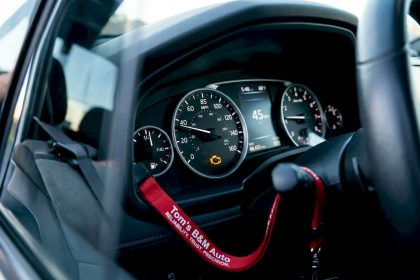
Tom’s B & M Auto has served Lynnwood drivers since 1985, and seasonal preparation is one of the most common reasons customers come through the door. ASE-certified technicians perform free digital vehicle inspections that cover the full range of seasonal checks, from brake pad depth to battery load testing to coolant concentration. If your check engine light is on heading into a new season, a free engine light review identifies the fault code before it becomes a larger repair. For drivers in Kenmore, Mountlake Terrace, and Shoreline who need deeper engine work, Tom’s offers engine repair services with a 24-month / 24,000-mile warranty on all work. Same-day appointments are often available. Call or book online at bandmautocare.com.
FAQ
What does a seasonal car maintenance checklist include?
A seasonal checklist covers core checks every season, including tires, brakes, fluids, and battery, plus season-specific tasks like undercarriage washing in spring, coolant flushing in summer, battery testing in fall, and winter tire installation and emergency kit preparation in winter.
How often should I check tire pressure?
Check tire pressure manually at least once a month and before any long trip. TPMS sensors only warn you after pressure has already dropped significantly, which means slow leaks go undetected until you are well below the safe threshold.
When should I replace my car battery?
Most car batteries last three to five years. Have your battery load-tested every fall, especially if it is more than three years old, since cold temperatures reduce battery reserve capacity and turn a marginal battery into a dead one overnight.
Is a fall or spring inspection more important?
Both serve different purposes. Spring inspections assess winter damage and reset the vehicle for warmer driving. Fall inspections prepare the vehicle for cold-weather stress. Skipping either one leaves a gap that increases breakdown risk during the season that follows.
Can I do seasonal car maintenance myself?
Many seasonal tasks, including checking tire pressure, topping off fluids, testing lights, and washing the undercarriage, are straightforward DIY jobs. Battery load testing, brake inspections, and coolant flushes benefit from professional equipment and are worth scheduling with a certified shop at least twice a year.