
Examples of Preventive Car Care to Protect Your Vehicle
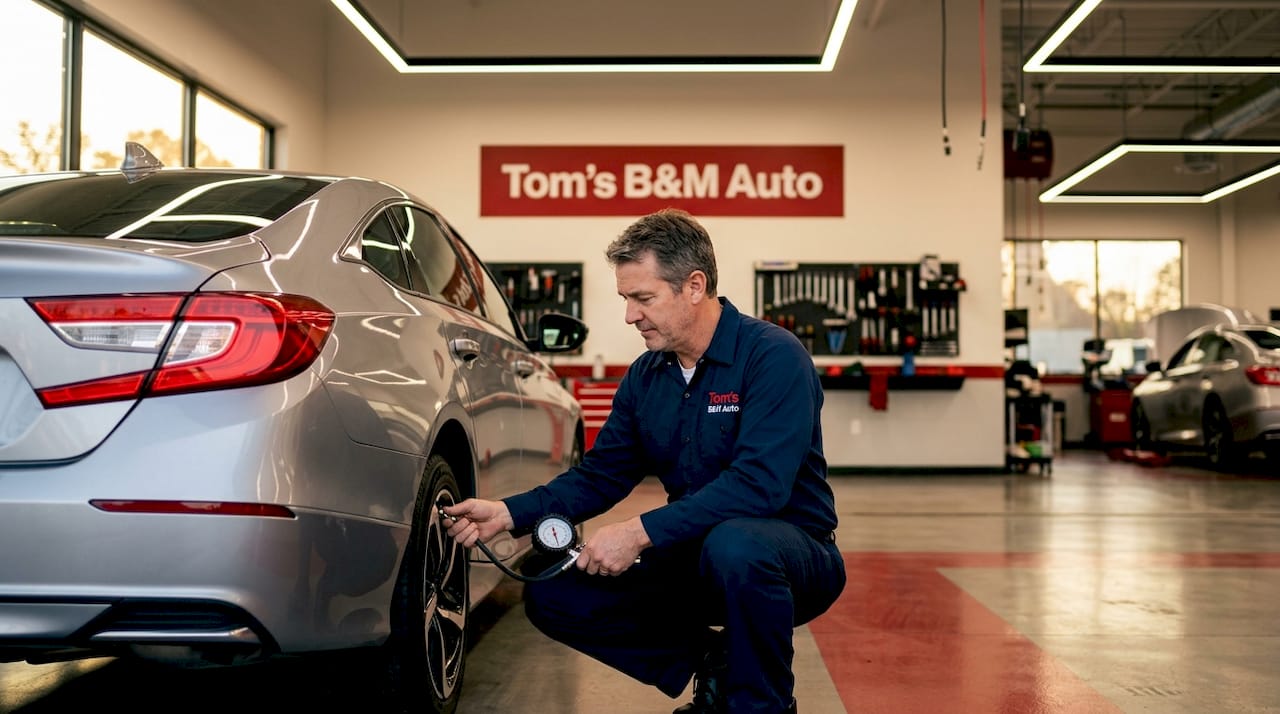
Preventive car care, the industry term for scheduled vehicle maintenance performed before problems develop, is the single most effective way to extend your car’s life and keep you safe on the road. Examples of preventive car care include tire pressure checks, engine oil changes, battery voltage testing, brake fluid flushes, and cabin air filter replacements. These tasks are not optional extras. They are the difference between a vehicle that runs reliably for 200,000 miles and one that strands you on I-5 with a bill you did not budget for. Consumer Reports and AAA both confirm that consistent preventive maintenance reduces the likelihood of major mechanical failures.
1. Essential examples of preventive car care every owner should know
The most effective preventive maintenance program covers six core systems: tires, fluids, battery, filters, brakes, and wipers. Each one has a clear inspection interval and a specific failure mode when ignored.
Tire pressure and tread inspection
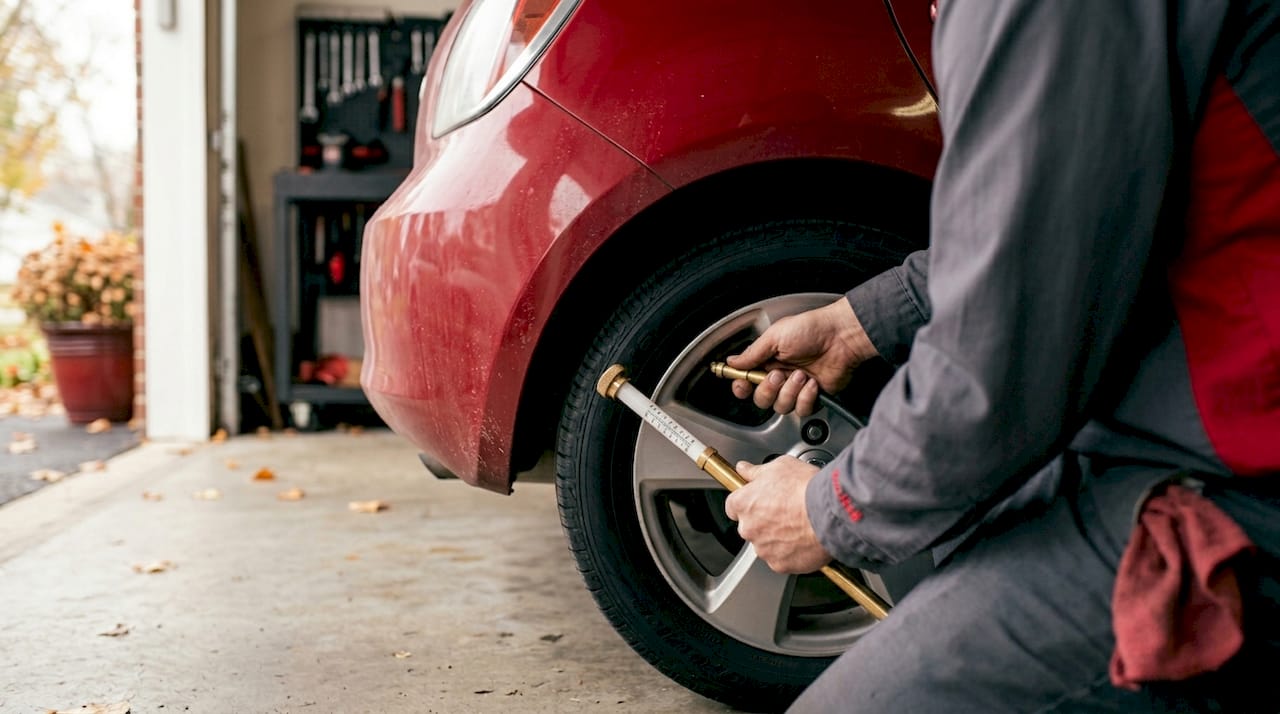
Tire pressure should be checked monthly using the PSI value printed on your driver’s door placard, not the number molded into the tire sidewall. Those two numbers are different, and using the wrong one leads to overinflation or underinflation, both of which accelerate wear. Consumer Reports recommends a digital tire gauge for accuracy over the free pencil gauges at gas stations. Beyond pressure, inspect the sidewall for bulges and the tread for uneven wear patterns, which signal alignment or suspension problems that no gauge will catch.
Pro Tip: Press a quarter into the tread groove with Washington’s head facing down. If you can see the top of his head, your tread depth is below 4/32 inch and replacement is overdue.
Fluid monitoring
Engine oil, coolant, brake fluid, transmission fluid, and power steering fluid each have their own inspection interval. Oil change intervals in newer vehicles have extended to 7,500 to 10,000 miles with synthetic oil, but using the wrong interval or the wrong oil grade can void your warranty. Check your owner’s manual, not the sticker the last shop put on your windshield. Brake fluid deserves special attention because it absorbs moisture over time. Dark or murky brake fluid signals that a flush is overdue, typically every two to three years.
Battery maintenance
A healthy battery reads 12.6 volts at rest. Below 12.4 volts signals a weak battery that may fail in cold weather or after sitting overnight. Modern vehicles with advanced electronics, lane-keep assist, remote start, and always-on connectivity draw more parasitic current than older cars, which shortens battery life. Clean white or blue corrosion from terminals with a baking soda solution and a wire brush. Test voltage with a basic multimeter, available at AutoZone or O’Reilly Auto Parts for under $20.
Filter replacements
The engine air filter protects your combustion chamber from dust and debris. A clogged filter reduces fuel economy and power. The cabin air filter protects you and your passengers from pollen, exhaust particles, and road dust. Toyota, Honda, and Subaru all recommend replacing the cabin filter every 15,000 to 25,000 miles, but if you drive near construction zones or wildfire smoke, replace it more often. A dirty cabin filter is also the most common cause of weak A/C airflow, a problem most owners blame on the refrigerant.
Brake system monitoring
Squealing during normal braking means your wear indicators are contacting the rotor. Grinding means the pad material is gone and metal is contacting metal. Vibration through the pedal points to warped rotors. None of these symptoms improve on their own. Check brake fluid level monthly and watch for any sponginess in the pedal, which indicates air or moisture in the hydraulic line. Understanding brake bleeding basics helps you recognize when a shop’s recommendation is legitimate.
Wiper blade replacement
Wiper blades degrade from UV exposure and temperature swings, not just use. Replace them every six to twelve months regardless of how often it rains. In the Pacific Northwest, where Lynnwood drivers deal with consistent fall and winter rain, degraded wipers are a direct visibility hazard. Bosch ICON and Rain-X Latitude are two widely available options that outperform standard frame blades in wet conditions.
2. How seasonal changes affect your preventive car care routine
Your car’s needs shift with the calendar, and a one-size-fits-all schedule misses real risks that appear only in specific seasons.
Spring checks
- Replace the cabin air filter after winter. Road salt, exhaust, and debris accumulate through cold months.
- Inspect tire pressure. Cold winter air contracts tire pressure, and many drivers never readjust after temperatures rise.
- Test your A/C before the first hot day. A system that sat idle all winter may have lost refrigerant or developed a leak. Tom’s B & M Auto offers A/C repair in Edmonds if your system is not cooling properly.
- Flush coolant if it has been more than two years. Coolant degrades and loses its corrosion inhibitors over time.
- Check wiper blades after winter use. Replace any that streak or skip.
Spring preventive care should include tire inspection, rotation, and A/C testing before temperatures climb. Catching these items in March or April prevents the most common summer breakdowns.
Summer prep
Heat is harder on vehicles than cold in several specific ways. Heat increases tire pressure approximately 1 PSI per 10 degrees Fahrenheit, which means a tire properly inflated at 32 PSI on a 60-degree morning may read 36 PSI on a 100-degree afternoon. Overinflation reduces the contact patch and increases blowout risk. Check pressure in the morning before the car has been driven. Also test coolant strength with an inexpensive refractometer to confirm it can handle summer heat without boiling.
Pro Tip: Park in shade whenever possible during summer. Cabin temperatures above 130 degrees Fahrenheit accelerate dashboard cracking, degrade rubber seals, and stress the battery.
Winter readiness
Battery health is the top winter concern. Cold temperatures reduce battery capacity, and a battery that tests marginal in October will likely fail in January. Replace wiper blades with winter-specific blades before the first frost. Check that your antifreeze mixture is rated for temperatures below what your region typically sees.
For a full breakdown of what to check each season, the seasonal car maintenance checklist from Tom’s B & M Auto covers every quarter in detail.
3. Common mistakes that undermine preventive car care
Most preventive maintenance failures are not mechanical. They are behavioral. These are the patterns that lead to avoidable repairs.
- Trusting TPMS over manual inspection. TPMS only alerts after 25% pressure loss, meaning your tire is already significantly underinflated before the light appears. Sidewall damage and uneven wear go completely undetected by the sensor. Manual monthly checks catch what the system misses.
- Ignoring the owner’s manual. The owner’s manual is the definitive source for maintenance intervals. Generic shop recommendations or online forums often suggest more frequent services than your vehicle actually needs, which costs you money without benefit.
- Paying for unnecessary flushes. Fluid flushes beyond scheduled intervals may be unnecessary and expensive. Context matters. A transmission fluid flush at 30,000 miles on a vehicle driven gently in mild weather is different from one driven hard towing a trailer.
- Delaying tire rotation. Tire rotations every 5,000 to 7,500 miles keep wear even across all four tires. Delaying rotation causes front tires on front-wheel-drive vehicles to wear significantly faster than rears, shortening the life of the full set.
- Skipping battery checks until failure. Most battery failures are predictable. A battery that tests below 12.4 volts in spring will not survive summer heat or the following winter. Testing costs nothing at most auto parts stores.
“Schedule blindness occurs when drivers depend on warning lights instead of timely manual inspections, increasing breakdown risks significantly.” — HiRide, 2026 Spring Maintenance Checklist
4. How to build preventive car care into your regular routine
Consistency is what separates car owners who avoid major repairs from those who face them repeatedly. The goal is a system, not a single effort.
- Use your owner’s manual as the master schedule. Write the key intervals on a sticky note inside your glove box: oil change mileage, tire rotation mileage, brake fluid flush date, and filter replacement mileage. This takes ten minutes once and saves hours of research later.
- Combine tire rotation with oil changes. Pairing these two tasks maximizes labor efficiency and removes the need to track a separate rotation schedule. Most shops perform both in the same visit.
- Run a monthly five-minute check. Walk around the car and inspect tire condition visually. Check tire pressure with your gauge. Open the hood and verify oil level, coolant level, and brake fluid level. These three checks catch the majority of developing problems before they become expensive.
- Keep a maintenance log. A simple notes app on your phone or a paper log in the glove box works. Record the date, mileage, and service performed for every visit. This log also increases resale value because it proves the vehicle was maintained.
- Get a free pre-trip inspection before any long drive. Tom’s B & M Auto offers a free pre-trip safety check that covers tires, fluids, brakes, and lights before you head out on a road trip.
| Task | Recommended interval |
|---|---|
| Tire pressure check | Monthly and before long trips |
| Oil change (synthetic) | Every 7,500 to 10,000 miles |
| Tire rotation | Every 5,000 to 7,500 miles |
| Brake fluid flush | Every 2 to 3 years |
| Cabin air filter | Every 15,000 to 25,000 miles |
Modern vehicles also receive software updates that affect safety systems, fuel management, and transmission behavior. Software updates are as important as physical maintenance for preserving full vehicle functionality. Check with your dealer or a shop equipped with OBD-II diagnostics to confirm your vehicle’s software is current.
Key takeaways
Preventive car care works because it addresses wear and degradation before they reach the threshold of failure, which costs far less than reactive repair in every case.
| Point | Details |
|---|---|
| Manual checks beat warning lights | TPMS and dashboard alerts miss many developing problems; monthly inspections catch them first. |
| Owner’s manual sets the schedule | Follow manufacturer intervals, not generic shop recommendations, to avoid unnecessary services. |
| Combine tasks for consistency | Pairing tire rotation with oil changes removes the need to track a separate schedule. |
| Seasonal adjustments matter | Tire pressure, coolant strength, and battery health all shift with temperature and require seasonal attention. |
| Small habits prevent large bills | A five-minute monthly check of tires, fluids, and battery catches the majority of avoidable failures. |
What 40 years of watching cars come in has taught me
The cars that arrive at Tom’s B & M Auto in the worst condition almost never belong to people who ignored their vehicles on purpose. They belong to people who trusted the warning lights. That is the real problem with modern car ownership. Vehicles have become so reliable and so quiet that drivers stop paying attention until something breaks. The TPMS light comes on and they add air. The oil light comes on and they add oil. By then, the damage is often already done.
What I have seen work, consistently, is the five-minute monthly habit. Not a full inspection. Just a walk around the car, a pressure check, and a quick look under the hood. Drivers who do this catch the slow tire leak before it becomes a blowout, the low coolant before it becomes an overheated engine, and the corroded battery terminal before it becomes a no-start on a cold morning.
I also want to push back on the idea that preventive maintenance is expensive. The tasks that matter most, checking tire pressure, checking fluid levels, testing battery voltage, cost almost nothing. The expensive part of car ownership is skipping those tasks and paying for the consequences. A brake fluid flush costs a fraction of what a brake line failure costs. A cabin filter replacement costs less than an A/C diagnostic.
Modern vehicles add one layer of complexity worth mentioning. Software now controls fuel delivery, transmission shifts, traction control, and safety systems. Physical maintenance alone is no longer enough. A car that is mechanically perfect but running outdated software may still behave unpredictably. Ask your shop whether they check for software updates as part of their service process. At Tom’s B & M Auto, ASE-certified technicians use professional-grade OBD-II diagnostics on every vehicle, which covers both physical and electronic health.
Start with one habit. Check your tire pressure this weekend. Build from there.
— Shingi
Keep your car running right with Tom’s B & M Auto
Tom’s B & M Auto has served Lynnwood, WA drivers since 1985, and preventive maintenance is the core of what we do. Whether you drive a Toyota Camry, a Honda CR-V, a Subaru Outback, or a domestic truck, our ASE-certified technicians know your vehicle’s specific service requirements.
Schedule a free brake inspection to confirm your brake system is safe before the next rainy season. If your coolant or A/C system needs attention, our cooling system flush service covers both. All work comes with a 24-month / 24,000-mile warranty and upfront pricing. Same-day appointments are often available. Call (425) 776-5054 or visit bandmautocare.com to book your next service.
FAQ
What are the most important examples of preventive car care?
Tire pressure checks, engine oil changes, brake fluid flushes, battery voltage testing, and cabin air filter replacements are the highest-impact preventive maintenance tasks for most vehicles. Performing these on schedule prevents the majority of common mechanical failures.
How often should I check my tire pressure?
Check tire pressure monthly and before any long trip using the PSI value on your driver’s door placard. Consumer Reports recommends a digital gauge for the most accurate reading.
Can I rely on my TPMS light for tire safety?
No. TPMS only activates after a 25% pressure loss and does not detect sidewall damage or uneven tread wear. Manual monthly inspections are required for complete tire safety.
How do I know when brake fluid needs replacing?
Brake fluid should be flushed every two to three years. Dark or murky fluid is a visual sign it needs replacement. A spongy brake pedal is a functional sign that requires immediate inspection.
Does my car’s maintenance schedule change with the seasons?
Yes. Heat increases tire pressure and stresses the cooling system, while cold reduces battery capacity. Adjusting your car care checklist each season, particularly in spring and before winter, keeps your vehicle performing safely year-round.
Recommended
- Seasonal Car Maintenance Checklist for Every Season – Tom’s B & M Auto Blog
- What Is a Tune-Up? A Car Owner’s Clear Guide – Tom’s B & M Auto Blog
- Auto Repair in Shoreline, WA | Tom’s B&M Auto | (425) 776-5054
- Auto Repair in Lynnwood, WA | Tom’s B&M Auto | (425) 776-5054
Leave a Reply