
Common Hybrid Vehicle Service Needs: 2026 Owner’s Guide
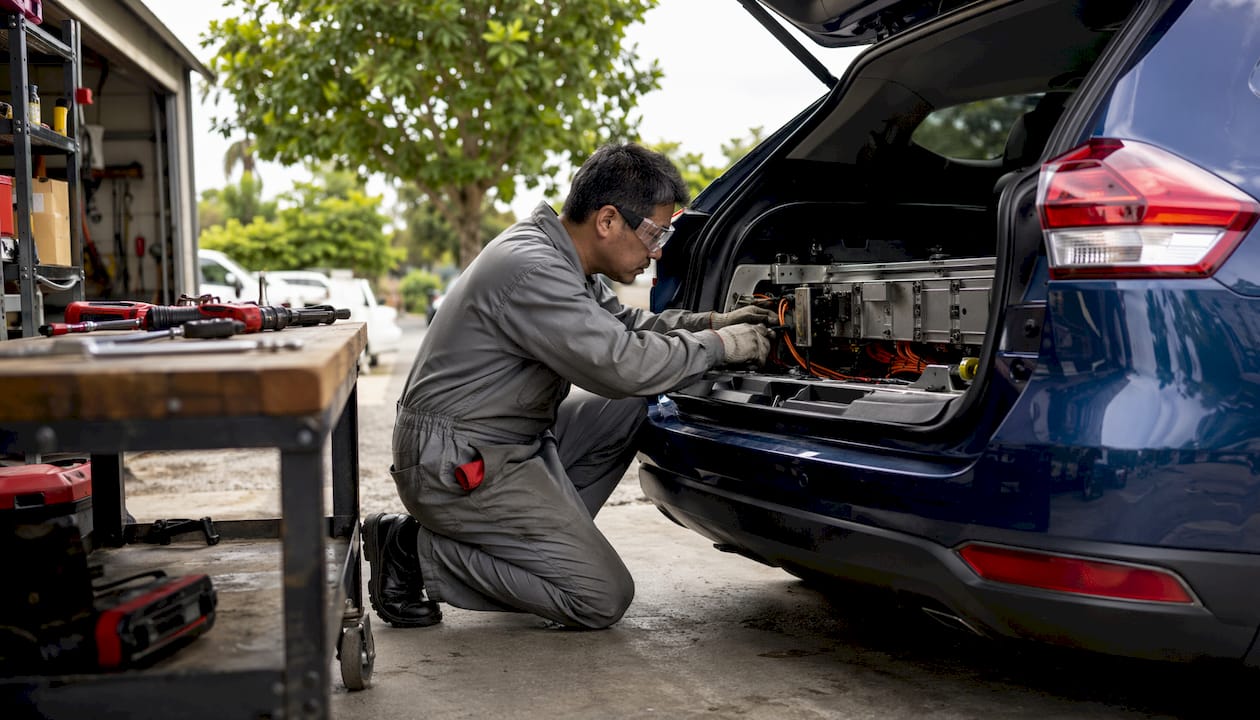
Common hybrid vehicle service needs are a blend of traditional car maintenance and specialized hybrid system care that directly determines how long your vehicle lasts and how much it costs to run. Hybrids require oil changes, brake service, dual coolant system maintenance, battery inspections, and tire care. The good news: hybrid owners spend 35–45% less annually on maintenance than gas car owners. That savings disappears fast if you skip the hybrid-specific checks that most general shops overlook. This guide covers every major service area so you stay ahead of repairs, not behind them.
1. Common hybrid vehicle service needs start with oil changes
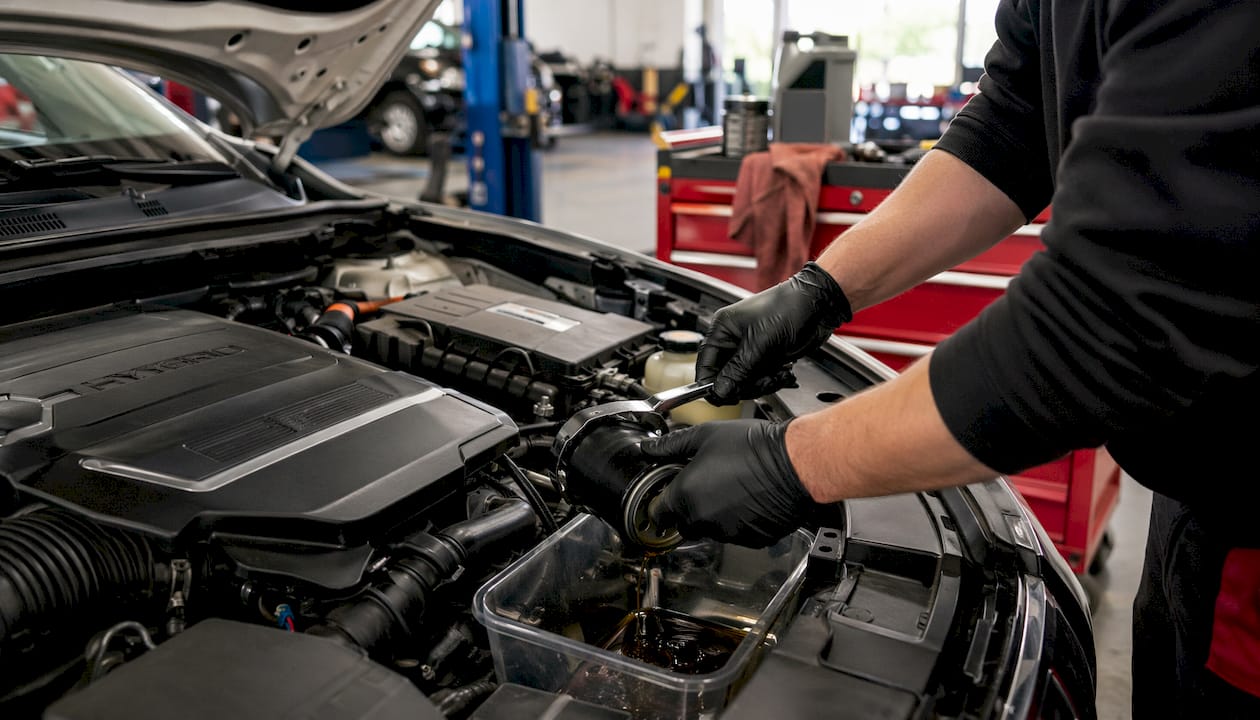
Hybrid engines run less often than gas engines because the electric motor handles low-speed driving. Less runtime sounds like good news for oil, but it creates a different problem: moisture buildup. Short trips and frequent engine cycling prevent oil from reaching full operating temperature, which means water vapor never burns off and contaminates the oil faster than mileage alone suggests.
Synthetic oil at intervals up to 10,000 miles is the standard recommendation for most hybrids, using grades like 0W-16 or 0W-20. These thin-weight synthetics flow instantly at startup, which matters because hybrid engines start and stop dozens of times per drive cycle. Never exceed the manufacturer’s published interval, even if the oil looks clean.
- Use full synthetic oil rated for your specific hybrid model
- Follow the oil life monitor, but cap intervals at the manufacturer’s maximum
- Avoid extended intervals if you drive mostly short trips under 5 miles
- Check oil level monthly since hybrid engines can consume oil between changes
Pro Tip: Many hybrid models include a “maintenance mode” that keeps the engine running at operating temperature. Use it before an oil change to warm the oil fully so it drains completely and carries out more contaminants.
2. How regenerative braking changes your brake service schedule
Regenerative braking is the single biggest difference between hybrid and gas car brake maintenance. The electric motor absorbs kinetic energy during deceleration, which means the physical brake pads engage far less often. Brake pads on hybrids last 70,000–100,000 miles, compared to 30,000–50,000 miles on conventional vehicles. That extended life sounds like a maintenance win, but it introduces a problem most owners never anticipate.
When brake pads rarely contact the rotors, the caliper slide pins sit idle for long stretches. Moisture and road grime cause them to corrode and seize. Caliper slide pins need cleaning and lubrication every 30,000 miles to prevent this, regardless of how thick the pads still are. A seized caliper causes uneven wear, pulling, and eventual rotor damage that costs far more than a simple lube service.
Brake fluid absorbs moisture from the air over time. On hybrids, where the hydraulic brakes activate less frequently, contaminated fluid sits in the lines longer and reaches dangerous moisture levels faster. Flush the brake fluid every two years, not based on mileage alone.
- Inspect brake pads and rotors annually, even if mileage is low
- Clean and lubricate caliper slide pins every 30,000 miles
- Flush brake fluid every two years regardless of pad condition
- Have a technician use OBD-II maintenance mode before retracting brake pistons
Pro Tip: Never attempt to retract hybrid brake pistons with a standard C-clamp tool. Hybrid brake systems use electric brake boosters that require a diagnostic scan tool to enter service mode first. Forcing the piston without this step can destroy the booster, which is an expensive component to replace.
3. Understanding and maintaining dual cooling systems
Most gas cars have one cooling loop for the engine. Hybrids have two. The second loop cools the inverter, converter, and power electronics that manage the flow of electricity between the battery and the motor. These components generate significant heat and fail quickly without adequate cooling.
Inverter coolant requires service every 40,000–60,000 miles to prevent overheating and protect the electric coolant pump. Neglecting this interval leads to air pockets forming in the system, which causes the inverter to overheat and trigger limp mode. Limp mode limits vehicle speed and power to prevent damage, but by the time it activates, the electronics may already be stressed.
- The engine cooling loop uses conventional coolant, typically changed every 30,000 miles
- The inverter loop uses a separate, often different specification coolant
- Air pockets in the inverter loop cause overheating even when coolant level appears normal
- Specialized vacuum filler tools are required to purge air from the inverter loop properly
Proper inverter coolant service uses vacuum filling equipment to pull air out before adding fresh fluid. A shop that skips this step and simply tops off the reservoir leaves air pockets that damage the electric coolant pump. That pump is not cheap to replace. If your shop does not own a vacuum filler, find one that does before scheduling this service.
4. High-voltage battery care and 12-volt battery maintenance
The high-voltage battery pack is the most expensive component in any hybrid. It typically lasts well beyond 150,000 miles under normal conditions, but driving habits accelerate degradation significantly. Aggressive driving degrades the high-voltage battery 30% faster than moderate driving. For plug-in hybrid owners, chronically running the battery at a very low state of charge causes similar damage over time.
The 12-volt auxiliary battery is a separate system that powers accessories, the computer, and the startup sequence. Without it, the high-voltage system cannot initialize, and the car will not start. The 12-volt battery needs testing annually and replacement every 3–5 years. Many hybrid owners are surprised to learn their car died from a $150 auxiliary battery, not the $4,000 high-voltage pack.
- Schedule a hybrid battery health check annually with a technician trained on hybrid systems
- Watch for warning lights, reduced fuel economy, or sluggish acceleration as early signs of degradation
- PHEV owners should plug in regularly to keep the battery above a low state of charge
- Avoid repeated full discharges, which stress battery chemistry over time
- Test the 12-volt battery every year, especially before winter when cold reduces its output
5. Tire rotation, pressure, and additional hybrid checks
Tire rotation is a straightforward service that hybrid owners often delay longer than they should. Rotating tires every 5,000–7,500 miles prevents uneven wear patterns that reduce fuel economy and shorten tire life. Hybrids often use low rolling resistance tires, which are engineered for efficiency but wear differently than standard tires. They tend to wear faster in the center tread if pressure is not maintained correctly.
Tire pressure directly affects fuel economy in hybrids more than in gas cars because the electric drive system amplifies the efficiency loss from underinflated tires. Check pressure monthly and after significant temperature swings. A 10-degree drop in ambient temperature reduces tire pressure by roughly 1 PSI, which adds up across a Pacific Northwest winter.
- Check tire pressure monthly and after cold snaps
- Rotate tires every 5,000–7,500 miles, not just at oil changes
- Replace low rolling resistance tires with the same specification to preserve efficiency ratings
- Replace the cabin air filter every 15,000–25,000 miles to maintain HVAC performance
- Have hybrid system cooling fans inspected annually since they protect battery and inverter temperature
- Ask your shop to check for available software updates during annual service visits
Key Takeaways
Hybrid vehicles save money on maintenance only when owners combine traditional service intervals with hybrid-specific checks for the battery, inverter cooling, and brake system.
| Point | Details |
|---|---|
| Oil changes still matter | Use synthetic 0W-16 or 0W-20 and follow manufacturer intervals despite reduced engine runtime. |
| Brake service shifts focus | Pads last longer, but caliper pins and brake fluid need attention every 30,000 miles and two years respectively. |
| Two coolant loops, two schedules | Service the inverter coolant every 40,000–60,000 miles using vacuum filler tools to prevent overheating. |
| Both batteries need attention | Test the 12-volt battery annually and monitor the high-voltage pack for degradation signs each year. |
| Tires and small checks add up | Rotate every 5,000–7,500 miles and maintain correct pressure monthly to protect efficiency and tire life. |
What I’ve learned from watching hybrid owners skip the wrong services
The most common mistake I see hybrid owners make is treating their vehicle exactly like a gas car, just with longer intervals. They assume that because the brakes last longer and the engine runs less, everything can wait. That logic works until it doesn’t, and when it fails, it fails expensively.
The second mistake is the opposite: assuming hybrids are so different that a general shop cannot touch them. Hybrid maintenance integrates specialized checks into a mostly familiar service framework. The fundamentals of oil, brakes, tires, and coolant still apply. What changes is the sequence, the tools, and a few additional systems that most shops simply do not know to inspect.
The inverter coolant is the service I see skipped most often. It has no warning light until the system is already stressed. By the time limp mode triggers, the electric coolant pump is often already damaged. That one skipped service can turn a $150 fluid change into a $1,200 pump replacement.
Smooth driving habits extend battery life and reduce wear on every hybrid component. This is not vague advice. Aggressive acceleration forces the battery to discharge at high rates repeatedly, which degrades cell chemistry faster than calendar age alone. Driving smoothly is free maintenance.
My honest recommendation: find a shop with ASE-certified technicians who have hands-on hybrid experience, follow the manufacturer’s schedule without skipping the hybrid-specific items, and treat the inverter coolant and brake fluid as time-based services, not mileage-based ones.
— Shingi
Hybrid service at Tom’s B & M Auto in Lynnwood
Tom’s B & M Auto has served Lynnwood drivers since 1985, and hybrid vehicles are a regular part of the shop’s daily work. ASE-certified technicians handle everything from routine oil changes and brake service to inverter coolant flushes and high-voltage battery diagnostics using professional-grade OBD-II equipment.
Every repair at Tom’s B & M Auto comes with a 24-month / 24,000-mile warranty, and same-day appointments are often available. For owners facing larger repairs, financing options are available to spread the cost without delaying necessary work. If a warning light has appeared on your dash, the check engine light service in Lynnwood team can pull hybrid-specific fault codes and give you a clear diagnosis with upfront pricing. No guesswork, no surprises.
FAQ
How often do hybrids need oil changes?
Most hybrids use full synthetic oil and can go up to 10,000 miles between changes, but you should always follow the manufacturer’s published interval. Short-trip driving accelerates oil contamination, so err on the shorter side if most of your drives are under 10 miles.
Do hybrid brakes need less maintenance than gas car brakes?
Brake pads last significantly longer on hybrids, often 70,000–100,000 miles, but the caliper slide pins and brake fluid still require service on a time-based schedule. Skipping these services causes caliper seizure and moisture-related brake failure even when the pads look new.
What is inverter coolant and why does it matter?
Inverter coolant is a separate fluid that cools the power electronics in your hybrid, including the inverter and converter. It requires service every 40,000–60,000 miles, and neglecting it leads to overheating, limp mode, and costly pump damage.
How do I know if my hybrid battery is failing?
Early signs include reduced fuel economy, warning lights on the hybrid system display, sluggish acceleration, and the engine running more often than usual at low speeds. An annual battery health check by a trained technician catches degradation before it becomes a breakdown.
Can any auto shop service a hybrid vehicle?
A general shop can handle basic services like oil changes and tire rotations. However, brake piston retraction, inverter coolant service, and battery diagnostics require hybrid-specific tools and training. Always confirm that the shop has OBD-II hybrid diagnostic capability and technicians with hybrid experience before booking these services.
Recommended
- Hybrid Battery Service Explained: 2026 Owner’s Guide – Tom’s B & M Auto Blog
- Common Honda Repair Needs: Your 2026 Owner’s Guide – Tom’s B & M Auto Blog
- Types of Car Diagnostic Tests: 2026 Owner’s Guide – Tom’s B & M Auto Blog
- The Role of Regenerative Braking System Explained – Tom’s B & M Auto Blog
Leave a Reply