
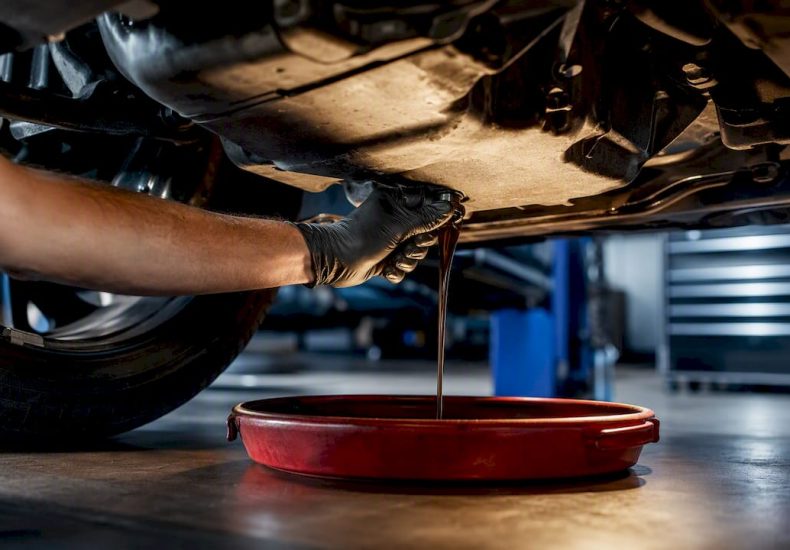
5,000–10,000 Miles? Oil Change Interval U.S. Drivers Should Follow
Follow your owner’s manual and your car’s oil-life monitor, not a fixed number stuck in your head from decades ago. Most modern vehicles running synthetic oil land somewhere in a 5,000 to 10,000 mile window, and some manufacturer schedules stretch to 15,000 miles. The old 3,000-mile rule still applies if you’re towing, doing lots of short trips, or driving in dust and heat, but for typical daily driving on synthetic oil, it’s outdated. Either way, get an oil change at least once a year.
TL;DR:
- Most modern vehicles on synthetic oil should change oil every 5,000 to 10,000 miles, with some manufacturer schedules extending up to 15,000 miles.
- Oil should be changed at least once a year regardless of mileage, due to chemical breakdown from oxidation and additive depletion.
- Driving habits such as towing, short trips, or dusty roads significantly shorten the interval, often requiring more frequent oil changes.
- Using the correct oil grade and regularly inspecting the oil can extend engine life and prevent costly repairs.
- Always follow your owner’s manual and monitor your vehicle’s oil-life indicator for the most accurate servicing schedule.
Table of Contents
- How Often Should You Really Change Your Oil?
- What Actually Determines Your Oil Change Interval
- Using Your Owner’s Manual and Oil-Life Monitor the Right Way
- Signs Your Oil Is Overdue, and What To Do About It
- Getting the Most Out of Every Oil Change
- What We See on the Shop Floor
- Book an Oil Change With a Shop That Checks the Whole Car
- Where This Guidance Comes From
- Sources
- FAQ
How Often Should You Really Change Your Oil?
The 3,000-mile rule made sense when conventional oil and looser engine tolerances were the norm. It doesn’t reflect what’s under the hood of a car built in the last 10 to 15 years, and multiple automotive experts have said as much publicly. Today’s synthetic oils resist breakdown far longer, and engines are built with tighter tolerances that generate less internal wear.
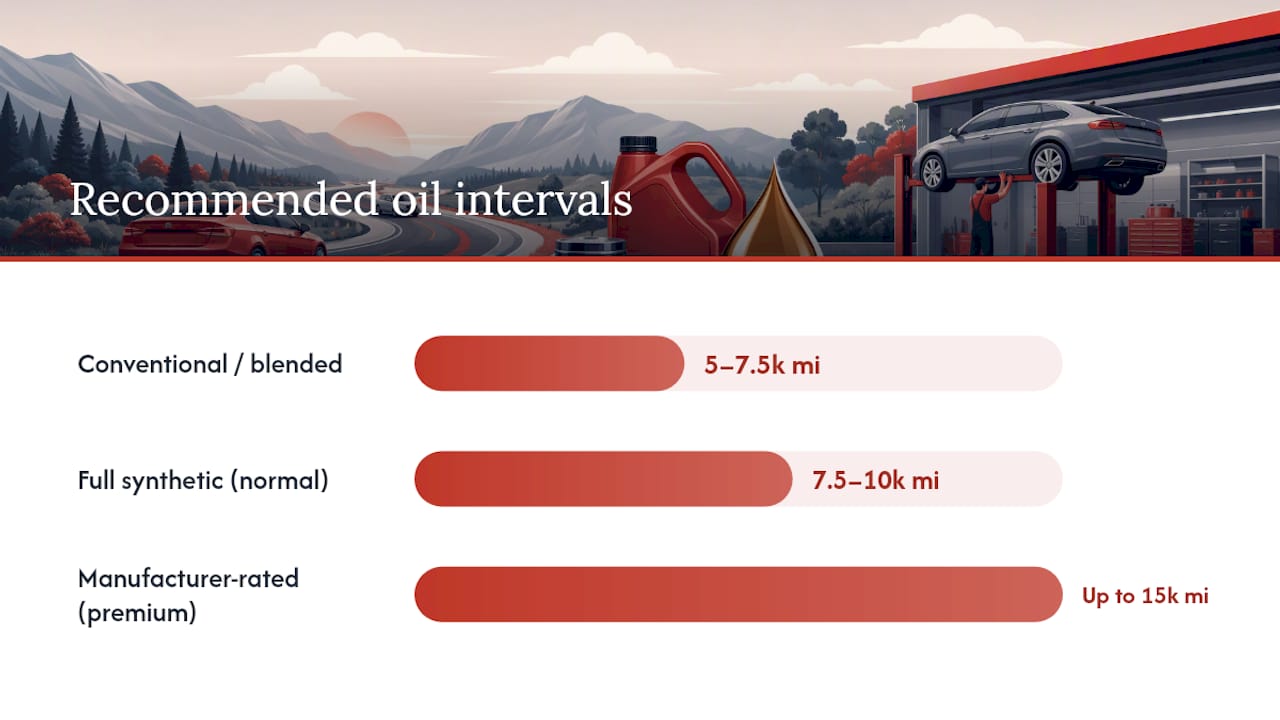
Here’s how the ranges typically break down in practice:
- 5,000 to 7,500 miles: Common for vehicles using conventional or blended oil, or for drivers who log a lot of short trips and stop-and-go traffic.
- 7,500 to 10,000 miles: The sweet spot for many modern vehicles running full synthetic oil under normal driving conditions.
- Up to 15,000 miles: Reserved for specific manufacturer-rated combinations of engine design and premium synthetic oil, usually spelled out clearly in the owner’s manual.
Mileage isn’t the whole story, though. Oil breaks down chemically over time even if the car barely moves. That’s why most manufacturers and oil producers recommend changing your oil at least once a year, regardless of how few miles you’ve driven. A commuter car that only sees 4,000 miles a year still needs annual service, because oxidation and additive depletion happen on a calendar, not just an odometer.
One more wrinkle: some extended-wear oil products and manufacturer warranties carry their own annual requirement, even if the mileage-based interval hasn’t been hit. Check the fine print before you assume more miles automatically means more time.
What Actually Determines Your Oil Change Interval
Two identical cars driven by two different people can need oil changes at very different points. The variables that separate them come down to oil type, driving habits, and engine condition.
Oil type sets the baseline. Conventional oil breaks down fastest and typically calls for shorter intervals. Synthetic blends split the difference. Full synthetic oil resists oxidation and viscosity breakdown far longer, which is exactly why it supports longer drain intervals when it’s the oil your manufacturer specifies.
Driving profile matters just as much as what’s in the crankcase. Manufacturers define “severe service” conditions that shrink the interval, and they typically include:
- Frequent short trips under 10 miles, especially in cold weather
- Towing, hauling heavy loads, or driving with a roof rack loaded down
- Regular stop-and-go traffic or extended idling
- Dusty, sandy, or unpaved roads
Toyota’s owner guidance is a good example of how OEMs handle this: the manual has a separate severe-service column with a noticeably shorter mileage figure than the normal-service row, and plenty of drivers who think they qualify for the longer interval are actually living in the severe column without realizing it.
Engine design plays a role too. Sump size, turbocharging, and known oil-consumption quirks in certain models all shift the math. Underneath all of it is straightforward chemistry: oil accumulates contaminants and its Total Base Number (TBN), a measure of its ability to neutralize acids, drops over time. Lab work from Blackstone Laboratories has found real variability from one engine to the next, which is part of why a single universal number never quite fits everyone.
Using Your Owner’s Manual and Oil-Life Monitor the Right Way
Your owner’s manual is the single most reliable source for your specific vehicle, and it’s worth actually reading instead of guessing. Here’s how to use it well:
- Find the maintenance schedule section and locate the two interval columns: “normal service” and “severe service.” Most drivers qualify for severe service more often than they think.
- Confirm the exact oil grade and spec the manual calls for. Using the wrong viscosity or missing an API/ILSAC rating can shorten how long the oil actually protects your engine.
- Check your dashboard for an oil-life percentage or “maintenance required” message. Oil-life monitors calculate remaining oil life using real inputs like cold starts, idle time, and engine revolutions, not just mileage.
- Treat the OLM as your day-to-day guide, and the manual as your outer limit. If the OLM hasn’t triggered but you’re closing in on 12 months since the last change, go with the annual minimum instead.
- Log every service date and mileage. A documented history protects your warranty and adds real value at resale.
Pro Tip: If your OLM and your gut instinct disagree, and you tow or drive rough roads regularly, side with the more conservative number. It costs you one oil change; ignoring it can cost you an engine.
Signs Your Oil Is Overdue, and What To Do About It
A quick dipstick check tells you more than most drivers expect. Fresh oil runs amber and translucent. Oil that’s gone dark, gritty, or noticeably thick has likely picked up contaminants and lost viscosity control.
Watch for these signals:
- Dashboard oil-change message or wrench icon: Not an emergency yet, but schedule service soon.
- Oil pressure warning light: This is urgent. Pull over when safe and avoid continued driving.
- Engine noise, ticking, or knocking: A sign oil isn’t lubricating properly anymore.
- Dropping fuel economy or visible exhaust smoke: Both can point to degraded oil or oil that’s burning off faster than it should.
- Burnt oil smell in the cabin: Often means a leak or seepage onto a hot engine component.
If the dipstick is low but the oil still looks clean, a top-off can get you to your next scheduled service. If it’s dark, low, and paired with a warning light, get it to a shop rather than pushing more miles onto it.
Getting the Most Out of Every Oil Change
A rushed oil change is barely better than skipping one. Make sure every service actually delivers:
- Use the exact oil grade and specification your manual calls for. Substitutions can quietly shorten your protection window.
- Replace the oil filter every single time. A fresh filter on old oil, or old oil in a fresh filter, defeats the point.
- Address any oil leaks or consumption issues rather than just topping off around them.
- Cut down on unnecessary short-trip driving when you can. Combining errands reduces the cold-start cycles that stress oil fastest.
- Log mileage, date, and oil type at every visit. Drivers chasing extended intervals should consider periodic oil analysis to confirm the oil is still doing its job.
A quality shop visit covers more than the drain plug. It should include a filter swap, a check of the drain plug gasket and filter seal, a look at fluid levels across the board, and a quick visual inspection for leaks or wear that could turn into a bigger repair.
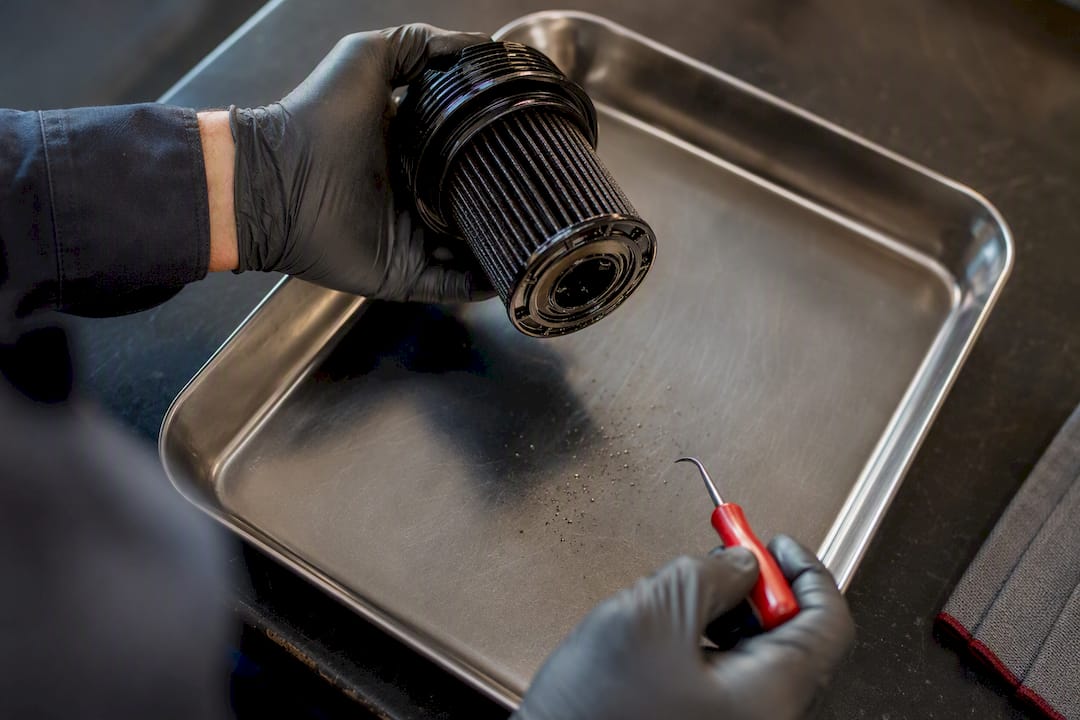
Pro Tip: Ask for your old oil filter to be shown to you before it’s tossed. A collapsed filter or metal flecks in the housing is an early warning sign worth knowing about, especially on a car with higher mileage.
What We See on the Shop Floor
We build our recommendations around your manufacturer’s schedule and your car’s oil-life monitor first, then adjust based on what our ASE-certified techs actually find during OBD-II diagnostics and a hands-on look under the hood. A car that looks fine on paper can be carrying early warning signs the monitor hasn’t caught yet.
Drivers who tow trailers, haul work equipment, or spend weekends on gravel and trail roads almost always need service more often than the “normal” schedule suggests, no matter what the dash says. A short inspection now is a lot cheaper than a repair later, and it’s the reason every job we do carries a 24-month, 24,000-mile warranty.
— Shingi
Book an Oil Change With a Shop That Checks the Whole Car
A quality shop handles oil changes with the correct oil grade confirmed against your owner’s manual, a new filter every time, and a quick inspection of the rest of the car while it’s already on the lift. This approach can catch a developing leak or worn belt before it turns into a tow bill.
This shop serves a variety of vehicles including Toyota, Honda, Subaru, domestic, European, and hybrid models. Same-day appointments may be available, and vehicle owners are advised to have their vehicle’s year, current mileage, and last oil type ready to confirm the right interval.
Local drivers can book directly through our Lynnwood oil change page, or check out our free digital vehicle inspection if you want a broader look at your car’s condition alongside the oil service. If your dashboard is already flagging something more serious, our check engine light diagnostics can sort out what’s actually going on before it becomes expensive.
Where This Guidance Comes From
- KBB: How often should I change my oil?
- Automotive Service Association: severe vs. normal driving intervals
- Blackstone Laboratories: oil analysis and interval variability
- Consumer Reports: what to know about oil changes
Always cross-check these against your own owner’s manual and oil-life monitor, since your specific vehicle and oil type will narrow the range further.
Sources
- How often should I change my oil? | KBB
- Automotive oil change intervals: severe vs normal driving (Automotive Service Association bulletin)
- What’s the best oil change interval? | Blackstone Laboratories
- Things to know about oil changes for your car | Consumer Reports
FAQ
How Often Do You Realistically Need an Oil Change?
Most modern vehicles on synthetic oil need a change roughly every 5,000 to 10,000 miles, with some manufacturer schedules allowing up to 15,000 miles, and at least once a year regardless of mileage.
Can You Really Go 10,000 Miles With Synthetic Oil?
Yes, if your manufacturer’s schedule and oil-life monitor support it. Full synthetic oil resists breakdown longer than conventional oil, which is exactly why many manufacturers rate it for extended intervals under normal driving conditions.
Is It Okay to Go 5,000 Miles Between Oil Changes?
Yes. A 5,000-mile interval is a safe, conservative choice for many vehicles, especially those using conventional or blended oil or driven under frequent short-trip or stop-and-go conditions.
Is One Year Too Long for an Oil Change?
For most vehicles, one year is the outer limit, not a target to stretch toward. Oil oxidizes with time even at low mileage, which is why an annual change is the standard minimum recommendation across manufacturers and lubricant makers.
Recommended
- High Mileage Vehicle Maintenance Tips That Work
- Why Your Car Burns Oil: Causes, Checks, and Fixes
- The Role of Oil Control Solenoid: A Car Owner’s Guide
- Common Hybrid Vehicle Service Needs: 2026 Owner’s Guide
Leave a Reply