
Why Your Engine Overheats and How to Stop It
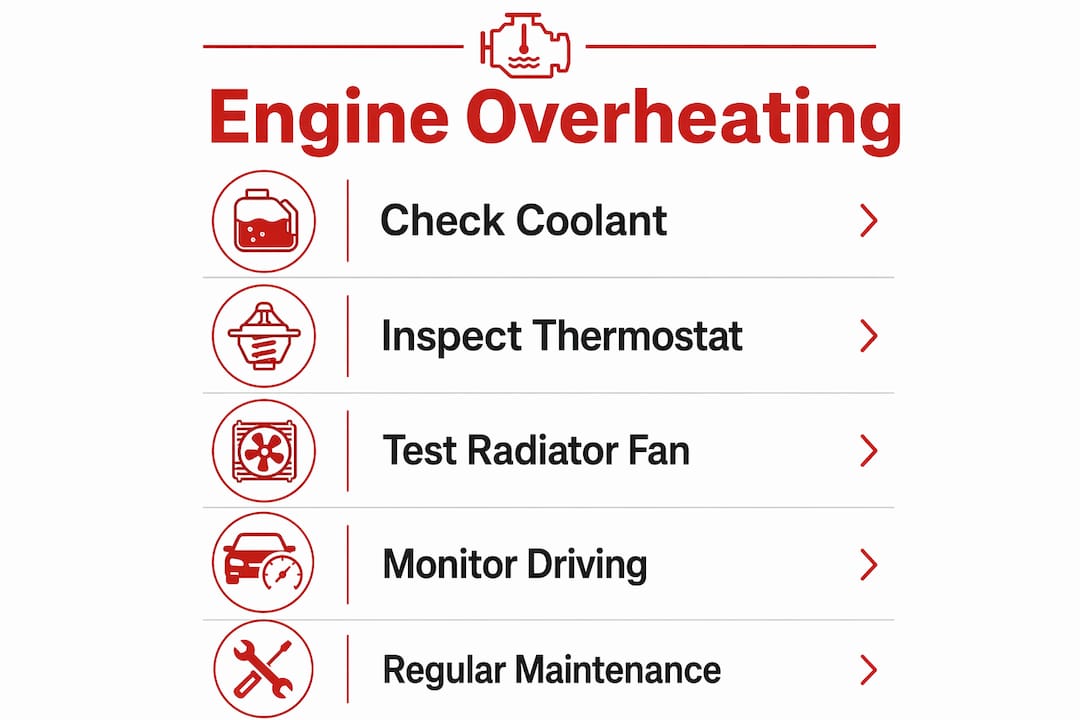
Engine overheating is defined as the failure of the cooling system to remove heat from the engine fast enough to prevent dangerous temperature spikes. Low coolant is the leading cause at 40% of cases, followed by faulty thermostats at 20% and radiator fan failures at 15%. Those three causes alone account for the majority of overheating repairs shops see every day. Understanding why engine overheats happen puts you in control before a minor fix becomes a major bill.
What are the most common causes of engine overheating?
Engine overheating results from a break anywhere in the heat management loop: the coolant absorbs heat, carries it to the radiator, and the radiator releases it into the air. When any part of that loop fails, heat builds up fast. Most drivers assume the problem is always low coolant, but the real cause is often a failed component that stops heat from moving through the system at all.
Low coolant levels
Low coolant is the single most common trigger. Leaks from hoses, the radiator, or the water pump let coolant escape slowly, often without obvious puddles under the car. Fixing coolant leaks and refilling the reservoir solves overheating in 90% of low coolant cases. That is a strong success rate for what is often a straightforward repair.
Faulty thermostat
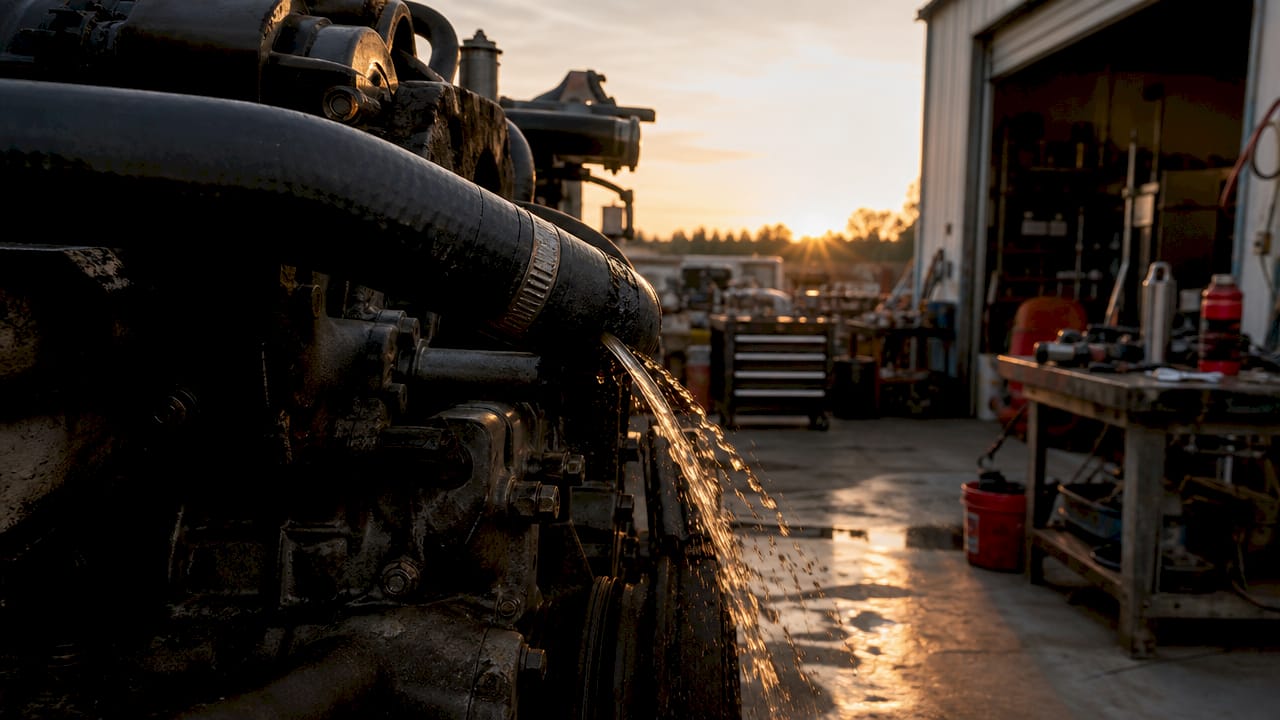
A thermostat stuck in the closed position acts like a dam. It blocks coolant from reaching the radiator, so heat has nowhere to go. A stuck thermostat can cause up to $2,000 in engine damage if ignored. The part itself costs very little to replace, which makes ignoring it one of the most expensive mistakes a car owner can make.
Radiator fan failure and other causes
Radiator fans pull air through the radiator when the car sits still or moves slowly. When they fail, the radiator cannot cool the coolant effectively at low speeds. Water pumps are another common failure point. Water pumps commonly fail after 60,000 to 100,000 miles, cutting off coolant circulation entirely. Clogged radiators and collapsed hoses round out the list of frequent causes.
| Cause | Key symptom | Diagnostic hint |
|---|---|---|
| Low coolant | Gauge climbs steadily | Check reservoir and look for wet spots under car |
| Faulty thermostat | Rapid temperature spike | Engine heats up within minutes of starting |
| Radiator fan failure | Overheats at idle only | Fan does not spin when AC is on |
| Water pump failure | Constant overheating | Coolant not circulating, no heat from vents |
| Clogged radiator | Slow temperature rise | Radiator fins dirty or blocked with debris |
Pro Tip: Check your coolant level when the engine is cold. A low reservoir is often the first sign of a slow leak you cannot see yet.
How do driving conditions contribute to engine heat problems?
Driving conditions play a bigger role in cooling system failures than most car owners realize. Stop-and-go traffic is especially hard on the cooling loop because the engine generates heat continuously while airflow through the radiator drops to near zero. The fans have to carry the full load, and worn fans cannot keep up.
Highway driving is the opposite situation. High speeds push large volumes of air through the radiator, which can mask a failing fan or a partially clogged radiator. A car that runs fine on the freeway but overheats in traffic is almost always dealing with an airflow problem at idle, such as a dead cooling fan. That pattern is one of the most useful diagnostic clues a mechanic can get.
Hot weather compounds every weakness in the cooling system. When ambient temperatures climb above 90°F, the radiator has less temperature difference to work with, so it dissipates heat more slowly. An aging hose, a slightly low coolant level, or a thermostat running a little slow can all tip a marginal system into overheating territory on a hot summer day.
Modern vehicles add another layer of complexity. Electronic engine controls adjust fuel mixture and ignition timing based on temperature sensors. When those sensors give bad readings, the engine management system may not respond correctly to rising heat. Cumulative wear on gaskets, belts, and hoses also increases risk over time, especially on vehicles past 100,000 miles. A seasonal maintenance checklist before summer is one of the most effective ways to catch these issues before they become roadside emergencies.
Pro Tip: If your car overheats only in traffic but not on the highway, point your mechanic directly at the cooling fans. That pattern almost always means an airflow issue, not a coolant leak.
What are the warning signs of an overheating engine?
The temperature gauge is the most obvious warning sign, but several others appear before the gauge hits the red zone. Catching them early is the difference between a $200 repair and a $3,000 one.
- Rising temperature gauge. A gauge climbing toward the red is the clearest signal. Pull over safely and turn off the engine before it reaches the maximum mark.
- Loss of heater function. If your heater suddenly blows cold air, coolant may not be circulating. This symptom often appears before the gauge spikes.
- White exhaust smoke. Sweet-smelling white smoke from the tailpipe points to coolant burning inside the engine. Coolant disappearing without visible leaks often signals a blown head gasket, where combustion gases mix with coolant.
- Milky oil. Oil that looks like chocolate milk on the dipstick means coolant has entered the oil system. This is a serious internal failure requiring immediate attention.
- Steam from under the hood. Visible steam means coolant is already boiling. The engine needs to be shut down immediately.
Never open the radiator cap on a hot engine. The cooling system runs under pressure, and opening the cap when hot risks severe burns. Wait at least 30–60 minutes for the engine to cool completely before checking coolant levels.
Ignoring these signs leads to warped cylinder heads, blown head gaskets, and in severe cases, a seized engine. Head gasket repairs typically run $1,500 or more. A seized engine often means a full replacement. Neither outcome is worth skipping a warning sign.
How to prevent engine overheating through regular maintenance
Prevention is straightforward when you follow a consistent schedule. Most cooling system failures give plenty of warning before they cause serious damage.
- Check coolant level monthly. Look at the reservoir when the engine is cold. The level should sit between the MIN and MAX marks. Top it off with the correct coolant type for your vehicle.
- Inspect hoses and belts at every oil change. Squeeze coolant hoses. They should feel firm, not soft or cracked. A cracked hose can fail suddenly and drain the system in minutes.
- Flush the cooling system on schedule. Coolant degrades over time and loses its ability to prevent corrosion. Flushing removes debris and air pockets that reduce heat transfer. Tom’s B & M Auto offers a cooling system flush that restores full system efficiency.
- Replace the thermostat and water pump proactively. Water pumps commonly fail between 60,000 and 100,000 miles. Replacing them before failure, especially during a timing belt service, saves significant labor cost.
- Have the radiator inspected annually. A clogged or damaged radiator cannot dissipate heat effectively. Radiator repair caught early is far less expensive than dealing with the engine damage that follows.
- Book a pre-summer inspection. Heat waves stress every component in the cooling system. A professional check before summer is the single most cost-effective step you can take.
Car owners with older or higher-mileage vehicles should pay extra attention to cooling system health. The high mileage maintenance tips from Tom’s B & M Auto cover the specific components that wear fastest on vehicles past 100,000 miles.
| Maintenance task | Recommended interval |
|---|---|
| Coolant level check | Monthly |
| Hose and belt inspection | Every oil change |
| Cooling system flush | Every 2–5 years or per manufacturer spec |
| Thermostat replacement | 80,000–100,000 miles |
| Water pump replacement | 60,000–100,000 miles |
| Radiator inspection | Annually |
Key takeaways
Engine overheating is almost always preventable when cooling system components are inspected and serviced before they fail.
| Point | Details |
|---|---|
| Low coolant is the top cause | It accounts for 40% of overheating cases and is often the easiest fix. |
| Thermostats cause outsized damage | A $20 part stuck closed can generate up to $2,000 in engine damage. |
| Driving pattern reveals the cause | Overheating only at idle almost always points to a cooling fan failure. |
| White smoke is a serious warning | Sweet-smelling exhaust smoke signals a blown head gasket requiring immediate repair. |
| Prevention beats repair every time | Regular coolant checks, flushes, and inspections stop most failures before they start. |
What I have learned after years of watching engines overheat
The pattern I see most often is not dramatic. A driver notices the temperature gauge creeping up, assumes it is a fluke, and drives on. Two weeks later they are looking at a head gasket repair that costs more than their last three car payments combined.
The part that gets me every time is the thermostat. It costs less than a dinner out. When it fails, it blocks coolant flow completely, and the engine temperature spikes within minutes. I have watched car owners spend thousands on diagnostics and secondary repairs because they dismissed an early temperature warning. The thermostat was the culprit the whole time.
Air pockets are another underestimated problem. After a coolant flush or a hose replacement, air can get trapped in the system. That air pocket prevents coolant from circulating through part of the engine, creating a localized hot spot. The temperature gauge may read normal while one section of the engine runs dangerously hot. A proper bleed procedure after any cooling system work is not optional.
My honest advice is this: if your temperature gauge does anything unusual, even once, get it checked the same week. Intermittent symptoms are not flukes. They are the cooling system telling you something is about to fail. Catching it at that stage costs a fraction of what you will pay after it does.
— Shingi
Tom’s B & M Auto: cooling system diagnostics and repairs in Lynnwood
Tom’s B & M Auto has been diagnosing and repairing engine overheating issues for car owners across Lynnwood, Edmonds, and the surrounding area since 1985. ASE-certified technicians use professional-grade OBD-II diagnostics to pinpoint the exact cause, whether it is a coolant leak, a failed water pump, or a blown head gasket.
Major repairs like head gasket replacements and water pump jobs do not have to drain your savings. Tom’s B & M Auto offers repair financing options to make serious fixes manageable. For drivers dealing with engine damage from overheating, engine repair in Kenmore is available with same-day appointments often possible. All work comes backed by a 24-month / 24,000-mile warranty.
FAQ
What is the most common reason an engine overheats?
Low coolant is the leading cause, responsible for 40% of overheating cases. Leaks from hoses, the radiator, or the water pump are the most frequent sources of coolant loss.
Can I drive with an overheating engine?
No. Driving with an overheating engine risks warped cylinder heads, a blown head gasket, or a seized engine. Pull over safely, turn off the engine, and let it cool before checking anything.
How do I know if my thermostat is causing overheating?
A thermostat failure typically causes the temperature gauge to spike rapidly within minutes of starting the engine. Replacing a faulty thermostat restores normal cooling in 80–90% of thermostat-related overheating cases.
Why does my car only overheat in traffic?
Overheating only at idle or in stop-and-go traffic almost always points to a cooling fan failure. At highway speeds, airflow through the radiator compensates for the fan, masking the problem.
How often should I flush my cooling system?
Most manufacturers recommend a cooling system flush every 2–5 years, depending on the coolant type and vehicle. Flushing removes debris and air pockets that reduce the system’s ability to transfer heat.
Recommended
- What Is Radiator Function in Your Car’s Cooling System – Tom’s B & M Auto Blog
- What Is Engine Misfiring? Causes, Signs, and Fixes – Tom’s B & M Auto Blog
- What Is Engine Knock and How to Fix It – Tom’s B & M Auto Blog
- High Mileage Vehicle Maintenance Tips That Work – Tom’s B & M Auto Blog
Leave a Reply