
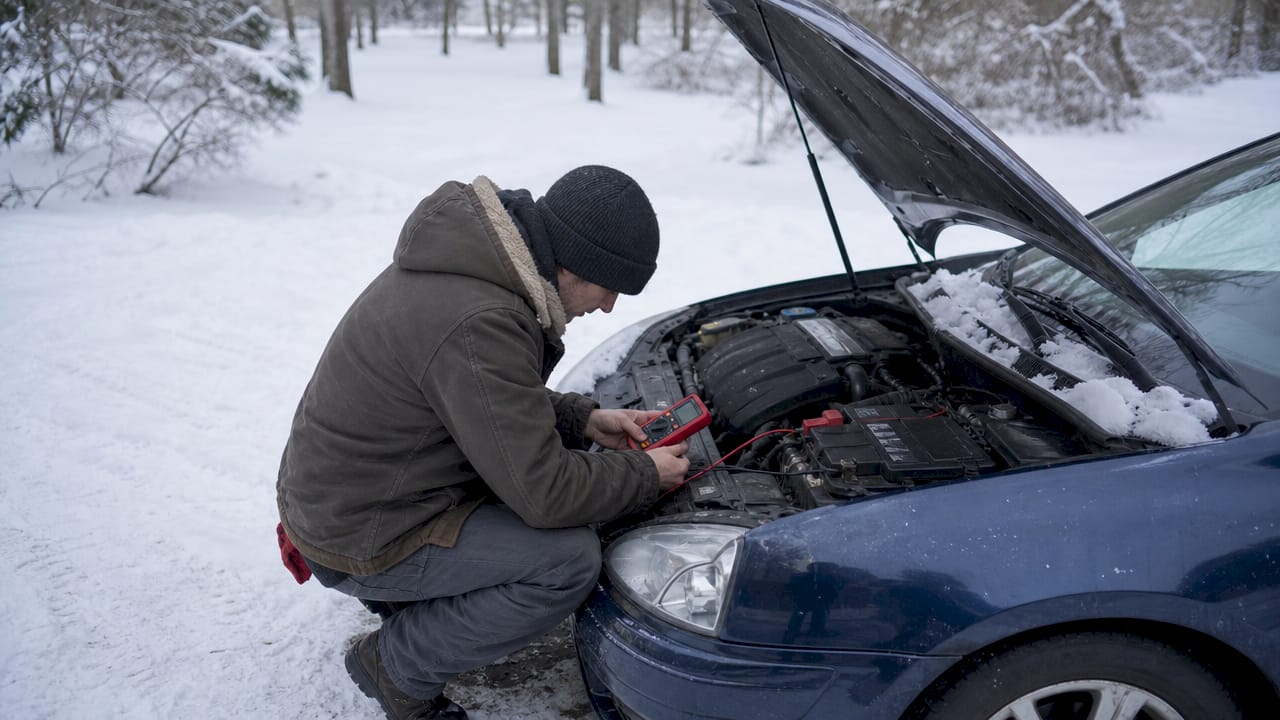
Why Your Car Won’t Start in Cold Weather
A car won’t start in cold weather primarily because the battery loses power output while the engine demands more effort to turn over. Cold temperatures trigger a chain reaction across multiple systems: the battery’s chemical reactions slow down, engine oil thickens, fuel lines become vulnerable to moisture, and the starter motor faces increased mechanical load. Winter breakdown emergency costs range from $150 to $500 per incident for towing and repairs. That number alone makes understanding cold start failures worth your time. The good news is that most causes are diagnosable and preventable with the right knowledge.
Why car won’t start cold: the battery is usually the first suspect
Cold weather and car batteries have a hostile relationship. Automotive batteries lose 30–50% of their capacity below 32°F. That means a battery that works fine in september may simply not have enough power to crank the engine on a january morning.
The chemistry inside a lead-acid battery slows when temperatures drop. At 0°F, a battery delivers only 40–50% of its rated cold-cranking amps. At -20°F, that figure drops to 20–30%. Meanwhile, the engine needs more power to turn over in the cold, not less. The battery is fighting a two-front battle it cannot always win.
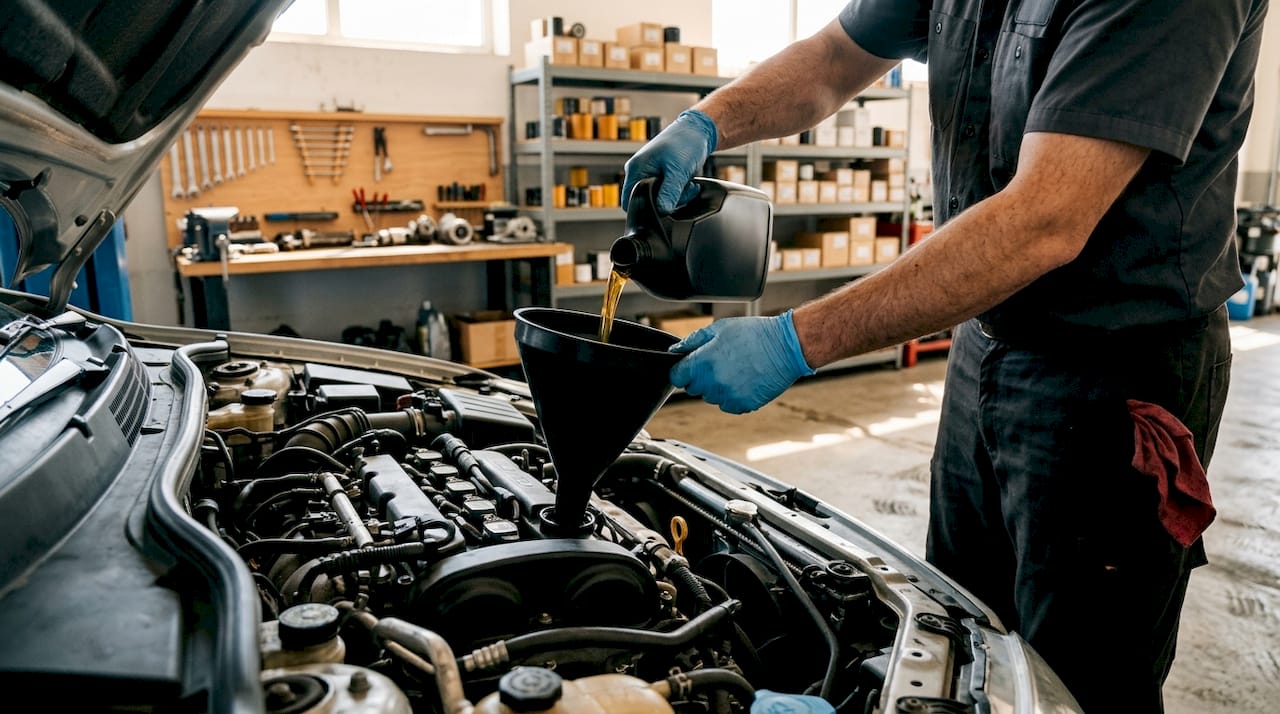
Battery lifespan averages 3–5 years. An aging battery that still starts your car in summer may fail completely once temperatures fall. If your battery is more than three years old, cold weather is the stress test it may not pass.
Symptoms of a battery-related cold start problem include:
- Slow cranking: The engine turns over sluggishly before starting or fails to start at all.
- Dim headlights or interior lights: Low voltage shows up across all electrical systems.
- Rapid clicking on ignition: Rapid clicking when you turn the key signals insufficient battery voltage reaching the starter.
- No response at all: A completely dead battery produces silence when you turn the key.
A healthy battery reads ~12.6V at rest, drops no lower than 9.6V while cranking, and reads between 13.8V and 14.6V after the engine starts. These voltage benchmarks let you tell the difference between a battery that needs a charge and one that needs replacement.
Pro Tip: Test your battery voltage with a multimeter before winter arrives. A reading below 12.4V at rest means the battery is already partially discharged and may not survive a cold snap.
How thick engine oil makes cold starts harder
Engine oil does not just lubricate. It also determines how much effort the starter motor needs to turn the engine over. Cold temperatures thicken oil, and thick oil creates resistance that the starter and battery must overcome together.
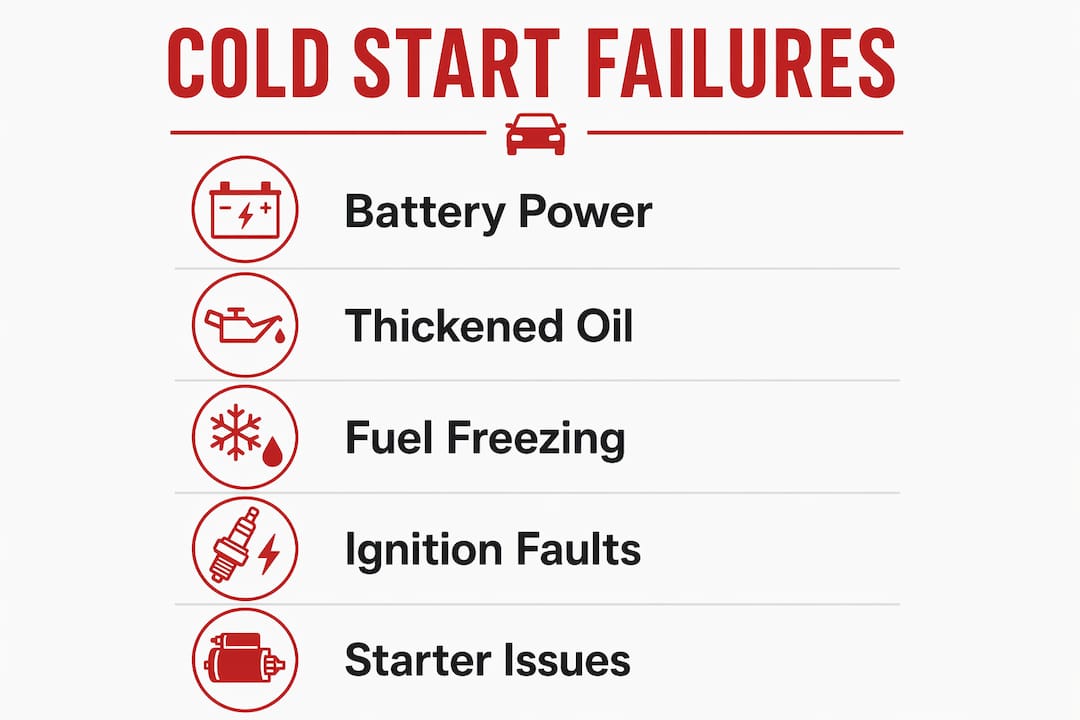
Conventional motor oils can nearly solidify at around -25°C, turning from a flowing liquid into something closer to molasses. That transformation dramatically increases the mechanical load on the starter motor. In fact, engine cranking power requirements can double at freezing temperatures. A battery already weakened by cold now has to push a starter motor working twice as hard through oil that barely flows.
The fix is straightforward: use the correct oil viscosity for your climate. Grades like 0W-20 and 5W-30 are formulated to flow quickly at low temperatures. The “W” stands for winter, and the number before it indicates how the oil behaves in cold. A lower number means better cold-weather flow.
Signs that thick oil is contributing to your cold start problem:
- The engine cranks very slowly but the battery tests healthy.
- The car eventually starts after extended cranking.
- Problems are worse on the coldest mornings and improve as temperatures rise.
- You are running a heavier oil grade than your owner’s manual recommends.
Pro Tip: Check your owner’s manual for the manufacturer-recommended oil viscosity for cold climates. Switching to a full synthetic oil in the correct grade is one of the most cost-effective winter upgrades you can make.
A seasonal car maintenance checklist that includes an oil change before winter can prevent this problem entirely. The right oil costs far less than a tow truck.
What fuel system and ignition problems do in cold weather
The battery and oil get most of the attention, but the fuel system and ignition components also fail in cold weather. These failures are less common but harder to diagnose without knowing what to look for.
Fuel line freezing and diesel gelling
Moisture in the fuel tank caused by condensation can freeze inside fuel lines during cold weather, blocking fuel flow entirely. The engine cranks normally but cannot fire because no fuel reaches the injectors. Keeping your gas tank at least half full reduces the air space inside the tank where condensation forms. That single habit prevents a surprisingly common winter breakdown.
Diesel drivers face an additional problem: diesel fuel waxes and gels in extreme cold. Waxed fuel clogs filters and injectors, causing hard starts or complete no-starts. Diesel anti-gel additives and winter-blend diesel fuels address this directly.
Spark plugs and ignition coils
- Inspect spark plugs before winter. Worn or fouled spark plugs struggle to fire under normal conditions. Cold weather amplifies that weakness because the engine needs a stronger spark to ignite a cold, dense air-fuel mixture.
- Check ignition coils for cracks or carbon tracking. Cold temperatures cause materials to contract, and hairline cracks in ignition coils can open up enough to cause misfires on cold mornings.
- Replace spark plugs on schedule. Most manufacturers recommend replacement every 30,000–100,000 miles depending on plug type. Running past that interval in winter is a gamble.
- Use a fuel system cleaner before winter. A quality fuel injector cleaner removes deposits that restrict fuel flow, helping the engine start more reliably in cold conditions.
A symptom that points specifically to ignition issues is an engine that cranks at normal speed but hesitates, stumbles, or misfires before running smoothly. If your car hesitates on cold mornings but eventually runs fine, spark plugs or ignition coils are worth inspecting.
How to tell if the starter motor or alternator is the real problem
Once you rule out the battery and oil, the starter motor and alternator become the next diagnostic targets. The symptoms overlap with battery failure, which is why many drivers replace the wrong part.
| Sound on ignition | Most likely cause | Next diagnostic step |
|---|---|---|
| Rapid clicking | Low battery voltage | Test battery with multimeter |
| Single loud click, no crank | Starter motor or solenoid | Test battery first, then inspect starter |
| Silence, no click | Dead battery or open circuit | Check connections, test battery |
| Normal crank, no start | Fuel or ignition issue | Check fuel pressure and spark |
A single loud click with no crank points to the starter motor or solenoid. The solenoid is engaging but the starter motor is not turning. That is a mechanical failure, not a battery problem. However, test the battery voltage first before assuming the starter is dead. Many drivers mistake slow cranking for starter failure when the battery is actually the weak link.
The alternator plays a quieter but critical role. Short cold-weather drives do not give the alternator enough time to fully recharge the battery after a cold start. If you only drive a few miles each day in winter, your battery slowly drains over time even if the alternator is working correctly. A battery that needs a jump start is not always failing. Sometimes the alternator simply cannot keep up with short-trip driving patterns in cold weather. A starter motor diagnosis from a qualified technician separates these causes quickly and saves you from replacing parts that are not broken.
Key takeaways
Cold weather car starting failures trace back to a predictable set of causes: battery capacity loss, thickened oil, fuel system moisture, and starter or alternator issues.
| Point | Details |
|---|---|
| Battery loses power in cold | Batteries deliver only 40–50% of rated amps at 0°F, making cold-start failure the most common winter problem. |
| Oil viscosity matters | Use 0W-20 or 5W-30 in winter to prevent thick oil from doubling the starter motor’s workload. |
| Keep the fuel tank half full | A fuller tank reduces condensation that can freeze in fuel lines and block fuel flow. |
| Sound diagnoses the cause | Rapid clicking means low battery voltage; a single loud click points to the starter motor or solenoid. |
| Test before you replace | Voltage testing at 12.6V rest and 9.6V cranking minimum prevents costly misdiagnosis of battery versus starter. |
What I’ve learned after years of cold-start diagnostics
The most expensive mistake I see car owners make is replacing the starter motor before testing the battery. It happens constantly. A driver hears a click, assumes the worst, and pays for a starter replacement that does nothing. Then they find out the battery was the problem all along. A $20 multimeter test takes three minutes and prevents that outcome every time.
The second pattern I see is people ignoring repeated cold-start struggles until the car stops starting entirely. Repeated cold start difficulties are early warning signs, not bad luck. They tell you a component is near its limit. Catching that early means a planned battery replacement. Ignoring it means a tow truck at 7 a.m. on a Tuesday.
Oil viscosity is the most overlooked factor in cold start troubleshooting. Drivers obsess over the battery and ignore the fact that they are running 10W-30 conventional oil in a Pacific Northwest winter when the manufacturer calls for 0W-20 full synthetic. The wrong oil makes every other cold-start problem worse.
My honest advice: schedule a pre-winter inspection before november. Test the battery, change the oil to the correct winter grade, check the spark plugs, and top off the fuel system. That one hour of maintenance eliminates the majority of cold-weather breakdowns. The examples of preventive car care that actually work are rarely dramatic. They are just consistent.
— Shingi
Cold-weather car care at Tom’s B & M Auto
Tom’s B & M Auto has served Lynnwood drivers since 1985, and cold-start problems are among the most common issues the shop handles every winter. ASE-certified technicians perform battery load testing, starter motor diagnosis, and engine oil services using professional-grade OBD-II diagnostics.
If your car is struggling on cold mornings, a free digital vehicle inspection is a practical first step. For drivers facing larger repairs, financing options are available to cover battery replacements, starter motor work, or engine repair without paying everything upfront. Same-day appointments are often available, and all work carries a 24-month / 24,000-mile warranty. Call Tom’s B & M Auto before the next cold snap, not after.
FAQ
Why does my car click but not start in cold weather?
Rapid clicking on ignition signals insufficient battery voltage reaching the starter motor. A single loud click with no crank points to a starter motor or solenoid failure. Test battery voltage first before replacing any parts.
How cold does it have to be for a car battery to fail?
Battery capacity drops significantly below 32°F and reaches critical levels at 0°F, where a battery delivers only 40–50% of its rated cold-cranking amps. Aging batteries over three years old are most vulnerable to failure at these temperatures.
What oil should I use to help my car start in cold weather?
Use the viscosity grade listed in your owner’s manual for cold climates, typically 0W-20 or 5W-30 full synthetic. These grades flow quickly at low temperatures and reduce the mechanical load on the starter motor during cold starts.
Can a bad alternator cause cold start problems?
Yes. Short winter drives do not give the alternator enough time to fully recharge the battery, causing it to slowly drain over multiple days. If your car needs a jump start regularly but the battery tests healthy, the alternator or your driving pattern may be the root cause.
How do I prevent my fuel line from freezing in winter?
Keep your gas tank at least half full throughout winter to minimize the air space where condensation forms inside the tank. Condensation turns to water, which can freeze in fuel lines and block fuel flow entirely.
Recommended
- Seasonal Car Maintenance Checklist for Every Season – Tom’s B & M Auto Blog
- Starter Motor Replacement in Kenmore, WA | Tom’s B&M Auto
- What Is Radiator Function in Your Car’s Cooling System – Tom’s B & M Auto Blog
- Why Your Engine Overheats and How to Stop It – Tom’s B & M Auto Blog
Leave a Reply