
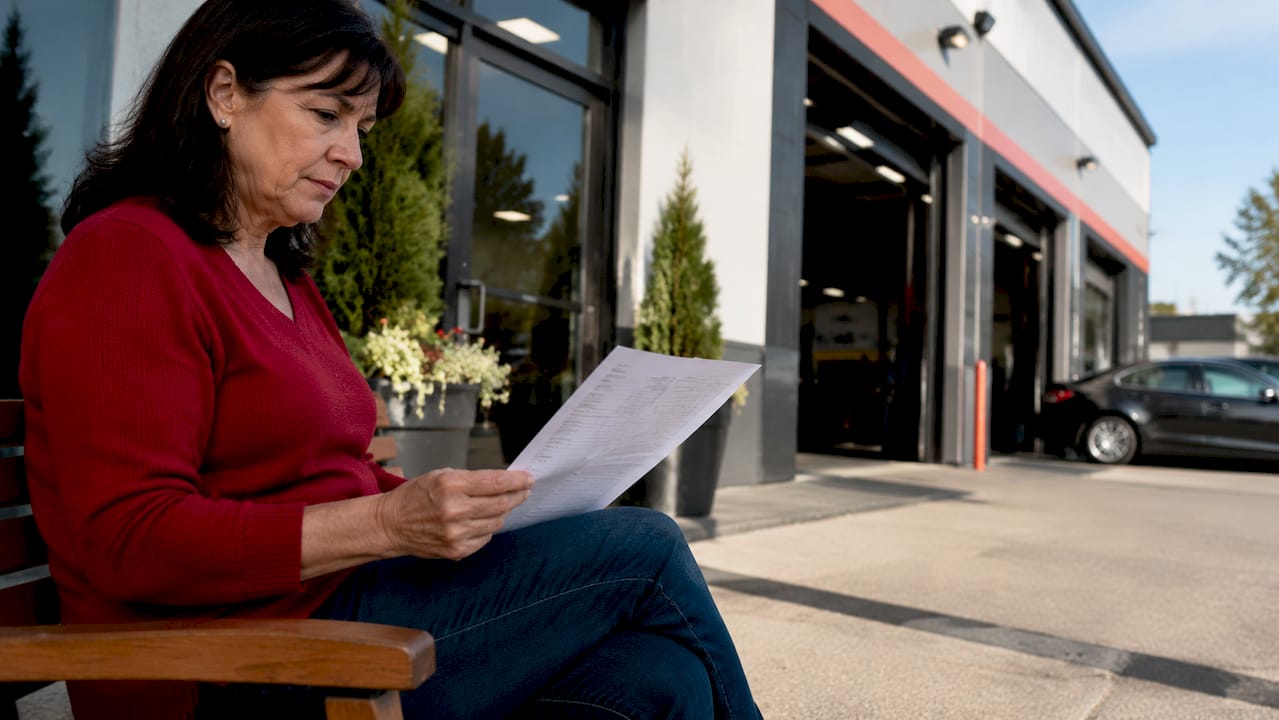
How to Get an Accurate Repair Shop Estimate in Lynnwood
An accurate repair shop estimate is a detailed, itemized document that lists expected parts, labor hours, and fees before any work begins. Getting one right protects your budget and prevents the kind of surprise charges that turn a $400 brake job into a $700 invoice. For car owners in Lynnwood, WA, the process of getting a reliable repair cost estimate is backed by real legal protections under Washington state law. Tools like RepairPal and NAPA’s online estimator give you a rough ballpark, but a written estimate from a licensed shop is the only document that carries legal weight. This guide walks you through what a solid estimate looks like, how to compare quotes fairly, and exactly what your rights are when the final bill arrives.
What should a complete repair shop estimate include?
A trustworthy estimate is more than a total dollar amount at the bottom of a page. A proper repair estimate must include your vehicle’s identification number and mileage, a clear description of the complaint, the diagnosis, a labor operations breakdown with hours, a parts list, fluids, shop supplies, applicable taxes, and any disclaimers. Each of those line items serves a specific purpose. The VIN and mileage confirm the estimate applies to your exact vehicle. The complaint and diagnosis section tells you what the shop found, not just what you reported.
The labor breakdown is where most car owners stop reading. That is a mistake. Labor hours are priced against a flat-rate guide, meaning a shop charges a set number of hours for a specific job regardless of how long it actually takes. If an estimate says “replace front brake pads” with no hours listed, you cannot verify whether you are being charged for 0.8 hours or 2.5 hours. Always ask for the labor time per operation.
The parts list should name each component by part number or at minimum by brand and grade. OEM, OE-equivalent, and aftermarket parts carry very different price points and warranty terms. A shop that lists only “brake pads” without specifying the brand is leaving room to substitute a cheaper part while charging for a better one.
- Vehicle ID and mileage: Confirms the estimate is vehicle-specific.
- Complaint and diagnosis: Separates what you reported from what the technician found.
- Labor operations and hours: Lets you verify time charges against industry flat-rate standards.
- Parts list with brand or grade: Prevents unannounced substitutions.
- Fluids, shop supplies, and taxes: Should be itemized, not bundled into a vague “miscellaneous” line.
- Disclaimers: Flags conditions that could change the scope, such as hidden rust or seized hardware.
If any of these items are missing, ask for a rewritten itemized estimate before authorizing any work.
Pro Tip: Ask whether the diagnostic fee is credited toward the repair cost if you proceed. Shops handle this differently, and knowing upfront prevents you from effectively paying for the diagnosis twice.
How do you compare multiple repair estimates fairly?
Comparing two estimates by their totals alone is the most common mistake car owners make. A $200–$500 price difference between shops is normal for most repairs. A difference of $1,000 or more almost always signals a scope mismatch, meaning the shops are not quoting the same job.
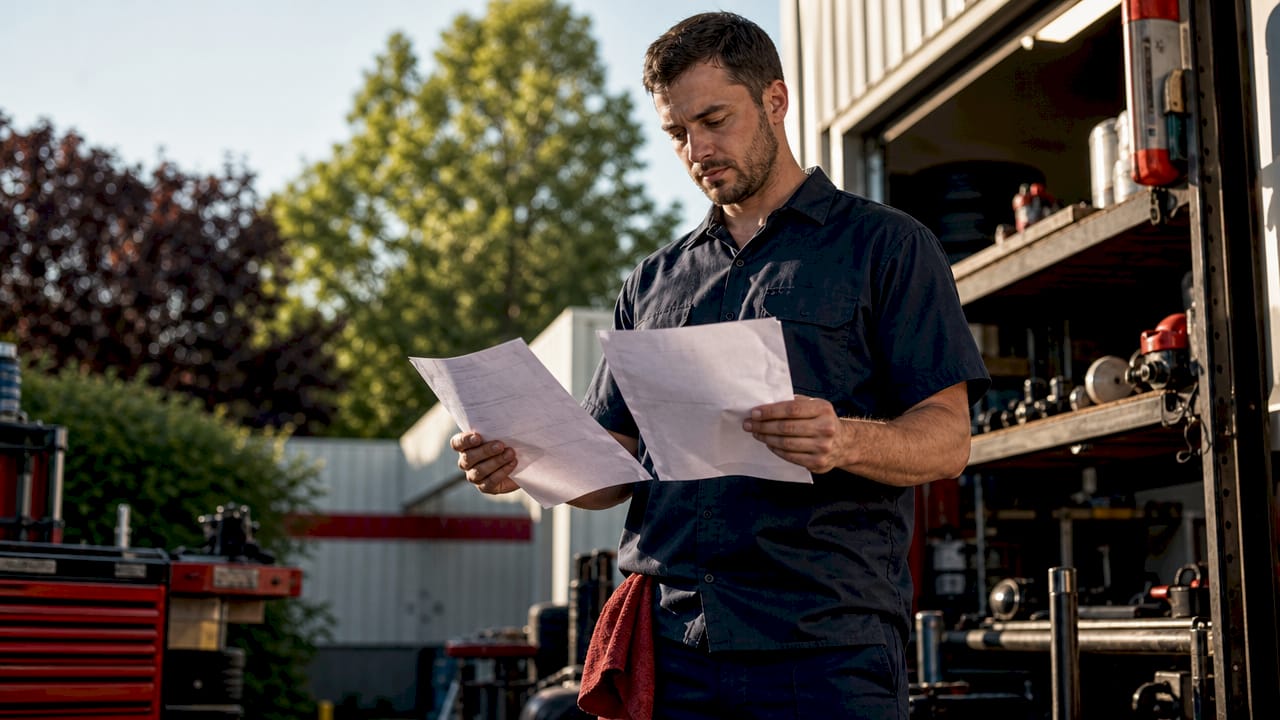
The table below shows how two estimates for the same symptom can look very different when the scope is not aligned.
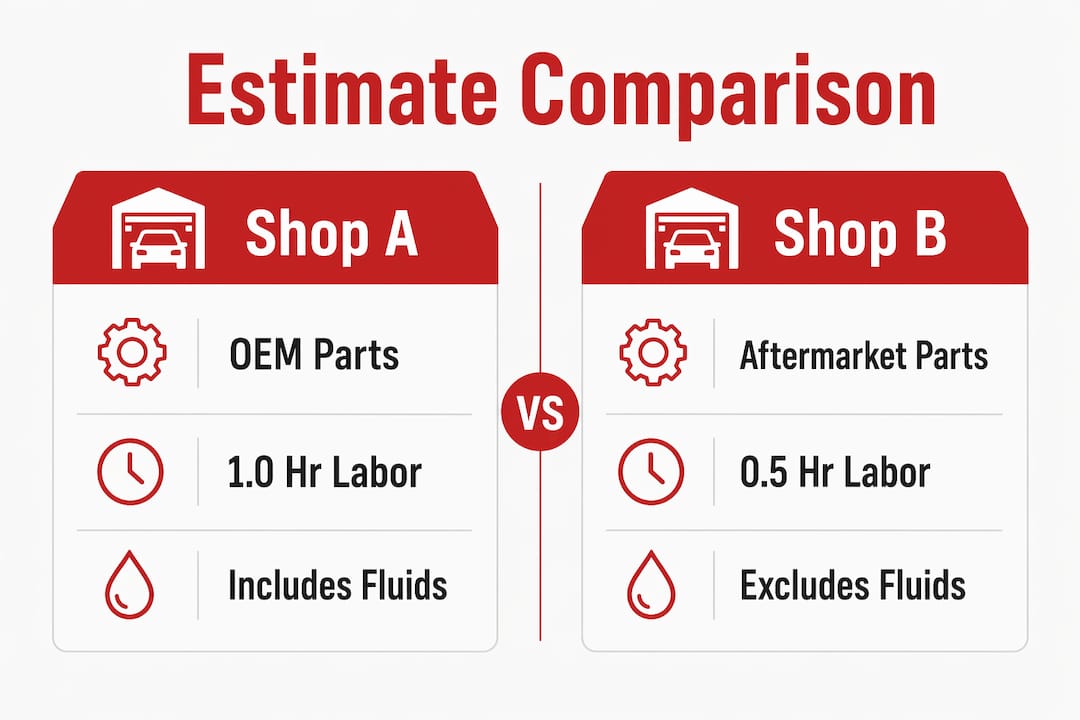
| Line item | Shop A | Shop B |
|---|---|---|
| Labor hours for diagnosis | 1.0 hr | 0.5 hr |
| Parts grade | OEM | Aftermarket |
| Fluids included | Yes | No |
| Warranty on parts | 24 months | 12 months |
| Total estimate | $820 | $590 |
Shop B looks cheaper. But if Shop A’s OEM parts carry a longer warranty and the fluid replacement prevents a follow-up visit, Shop A may cost less over 12 months. The total line is not the comparison point. The line items are.
Effective estimate comparison requires confirming that labor operations, parts specifications, and scope match before concluding one quote is better. Ask each shop to identify the specific labor operation codes they are using. If one shop is quoting a subframe drop to access a component and another is not, those are two different jobs priced as if they are the same.
Diagnostic fees add another layer of complexity. Clarify whether the diagnostic fee is credited toward the repair if you proceed, or whether it is a flat charge regardless. Some shops charge $150 for a full OBD-II scan and apply it to the repair. Others charge it separately. Knowing this before you authorize a diagnosis prevents scope changes and unexpected charges later.
Pro Tip: Bring a printed copy of each estimate when you call a competing shop for a quote. Read the line items aloud and ask them to match the scope exactly. This is the only way to get a true apples-to-apples comparison.
What are your legal rights on repair estimates in Washington state?
Washington state gives car owners some of the clearest statutory protections in the country. Under RCW 46.71.025, a repair shop cannot charge more than 110% of the written estimate without your explicit authorization. That cap applies to the total labor and parts charges, excluding sales tax. This transforms a written estimate into something close to a contract. The shop is legally bound to stay within that ceiling unless you agree in writing to go higher.
That 110% cap matters most when a technician finds additional damage mid-repair. The shop must contact you, explain the new finding, and get your documented approval before proceeding. A verbal “sure, go ahead” over the phone is not enough. Ask for the authorization to be noted on the work order with a timestamp.
Washington’s Consumer Protection Act adds another layer of protection. Shops that engage in deceptive billing practices face liability beyond just the overcharge itself. Key protections include:
- Written estimate requirement: Shops must provide a written estimate before beginning work if the repair will exceed a set threshold.
- Authorization to exceed: Any charge above 110% of the estimate requires documented customer approval.
- Record retention: Washington law requires shops to keep records for at least one year. Keep your own copies regardless.
- Dispute rights: If you were overcharged without authorization, you can dispute the charge through your credit card issuer under the Fair Credit Billing Act.
- Credit card dispute window: You must file a written dispute within 60 days of the statement date. The issuer resolves it within two billing cycles or 90 days.
The record-keeping point is easy to overlook. Saving your estimate, authorization forms, and final invoice in a single folder takes two minutes. That folder becomes critical evidence if a billing dispute surfaces six months later.
What practical steps help you verify a repair estimate in Lynnwood?
Getting an accurate auto repair quote starts before you walk into the shop. Write down your vehicle’s symptoms in plain language. Note when the problem started, under what conditions it occurs, and any recent repairs. This context helps the technician diagnose accurately the first time, which reduces the chance of a revised estimate after the initial diagnosis.
- Request a written estimate before authorizing any work. Do not accept a verbal quote. Washington law supports your right to a written document.
- Ask for itemized labor and parts. If the estimate shows only a job name and a total, ask the service advisor to break it into labor hours and individual parts with grades.
- Confirm what the diagnostic fee covers. Ask whether it includes a full OBD-II scan, a visual inspection, or both. Ask whether it applies toward the repair cost.
- Get at least two quotes for repairs over $500. For major work, a second opinion from an ASE-certified mechanic gives you a baseline for comparison.
- Use online estimators cautiously. Online repair estimators offer broad cost ranges that do not reflect your vehicle’s specific condition or Lynnwood’s local labor rates. Use them to spot a wildly low or high quote, not to set expectations.
- Sign and date every authorization form. If the shop calls to request additional work, ask them to email or text the revised scope before you approve it.
- Keep all paperwork. Estimate, authorization forms, and the final invoice should stay together. Washington shops must retain records for at least one year, but your copies are your first line of defense.
The most overlooked step is number six. A phone call authorizing extra work is nearly impossible to dispute later. Written authorization, even a text message, creates a record that protects you under Washington’s 110% cap.
Key Takeaways
Getting an accurate repair estimate requires knowing what to ask for, how to compare quotes by scope rather than total price, and how Washington law limits what a shop can charge.
| Point | Details |
|---|---|
| Demand itemized estimates | Every estimate should list labor hours, parts grade, fluids, and taxes separately. |
| Compare scope, not totals | A $1,000+ price gap almost always means the shops are quoting different jobs. |
| Know the 110% cap | Washington’s RCW 46.71.025 bars shops from exceeding your estimate by more than 10% without written approval. |
| Document every authorization | Written approval for added work protects you legally and financially. |
| Keep all paperwork | Your estimate, authorizations, and invoice are your evidence in any billing dispute. |
Why most car owners get burned on estimates (and how to avoid it)
The single biggest mistake I see is car owners treating the estimate total as the only number that matters. They compare Shop A’s $820 to Shop B’s $590 and choose Shop B without reading a single line item. Then they are surprised when Shop B calls mid-repair to say the job got more complicated and the new total is $1,100.
Washington’s 110% cap is genuinely powerful, but only if you have a written estimate to enforce it against. A vague one-line estimate like “diagnose and repair brake issue, est. $400” gives the shop enormous room to redefine scope. A detailed estimate with labor hours, part numbers, and fluid quantities leaves almost no room for interpretation. The specificity is the protection.
I also think car owners underestimate how much calm, direct communication changes the dynamic. Asking “Can you show me the labor time for this operation in your flat-rate guide?” is not confrontational. It is the same question any informed buyer would ask. Shops that resist that question are telling you something important. Shops that answer it without hesitation are demonstrating the kind of transparency that helps you avoid unnecessary upsells and inflated charges.
The best repair experience I have seen starts with a car owner who arrives with their symptoms written down, asks for a fully itemized estimate, and reads it before signing. That takes about 10 minutes. It saves hours of frustration later.
— Shingi
Accurate estimates and upfront pricing at Tom’s B & M Auto
Tom’s B & M Auto has served Lynnwood car owners since 1985, and upfront written estimates have been part of the process from day one. Every estimate from Tom’s B & M Auto includes itemized labor hours, parts specifications, and a clear diagnosis, fully compliant with Washington’s RCW 46.71.025 requirements.
ASE-certified technicians handle all makes, including Toyota, Honda, Subaru, European, and hybrid vehicles, with same-day appointments often available. All completed work carries a 24-month / 24,000-mile warranty. If a major repair is stretching your budget, financing options are available to help spread the cost. Current customers can also take advantage of repair discounts on qualifying jobs. Call Tom’s B & M Auto at (425) 776-5054 or visit bandmautocare.com to schedule your estimate today.
FAQ
What does an accurate repair shop estimate include?
A complete estimate lists the vehicle’s VIN and mileage, a diagnosis, labor operations with hours, a parts list with grades, fluids, shop supplies, taxes, and disclaimers. Any missing item is a reason to ask for a rewritten, itemized version before authorizing work.
Can a repair shop in Washington charge more than the estimate?
Washington’s RCW 46.71.025 caps repair charges at 110% of the written estimate without your documented authorization. Any charge above that ceiling requires your explicit approval before the shop proceeds.
How do I compare two repair estimates fairly?
Compare line items, not totals. Confirm that both estimates cover the same labor operations, parts grades, and scope. A price gap of $1,000 or more almost always signals that the shops are quoting different jobs.
Are online repair cost calculators reliable?
Online estimators provide broad cost ranges that do not account for your vehicle’s specific condition or local labor rates in Lynnwood. Use them only to flag outlier quotes, and rely on written shop estimates for any moderate or major repair.
What can I do if a shop overcharges me without authorization?
You can dispute the charge through your credit card issuer under the Fair Credit Billing Act. File a written dispute within 60 days of the statement date. The issuer must resolve it within two billing cycles or 90 days.
Leave a Reply